
Leionema
Leionema
Leionema is a genus of evergreen shrubs belonging to the Rutaceae family. In their natural habitat, these plants are primarily found in Australia, where they have adapted to various environments ranging from dense woodlands to rocky slopes.
What the section contains


Leionema
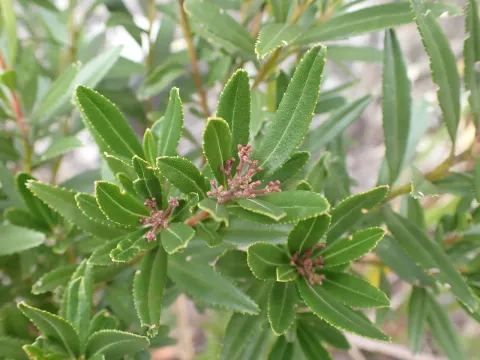
Botanically, the crop is characterized by leathery, aromatic leaves and small flowers often arranged in clusters, which hold significant ornamental value. The stems of young shoots are frequently covered with characteristic glandular dots typical of many family members.
For successful cultivation, the plants require well-drained soils with a neutral to slightly acidic pH level. It is crucial to prevent water stagnation at the roots, as this can lead to the development of root rot and plant death.
The crop prefers sunny locations with light shading during peak noon hours, especially in hot climate zones. The plant has moderate frost resistance and thrives best in regions with a Mediterranean climate.
In terms of economic use, Leionema is utilized in landscape design and floriculture. Cut branches are frequently used in floral arrangements due to their durability and attractive appearance.
The primary threat to the plant consists of fungal diseases that arise from improper watering regimes. Over-saturation of the substrate, causing phytophthora, is particularly dangerous.
Among pests, spider mites and mealybugs represent the greatest danger. They can infest young shoots, exhausting the plant and reducing its decorative appeal.
To combat pests, preventative inspections and the use of insecticides upon detecting the first signs of infestation are recommended. Maintaining optimal air circulation around the shrub is essential.
Disease prevention involves maintaining proper drainage and avoiding excessive soil compaction. Mulching helps to maintain a moisture balance without over-wetting the root zone.
Pruning after the flowering period stimulates the growth of new shoots and enhances the plant's overall resilience to environmental stressors.