
Lemon
Citrus limonia
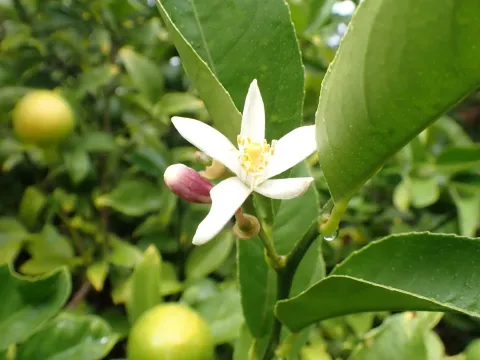
Lemon (Citrus limonia) is a prominent member of the Rutaceae family, valued globally for its acidic fruit and aromatic foliage. This evergreen tree is characterized by its glossy, dark green leaves and fragrant white flowers.
What the section contains
Lemon
The climate requirements for lemons include plenty of sunlight and consistent warmth. Ideally, they thrive in temperatures between 20°C and 30°C, and they require protection from frost and freezing temperatures, which can severely damage or kill the tree.
Soil quality is paramount for citrus health. Lemons prefer well-draining, slightly acidic to neutral soil that is rich in organic matter. Waterlogged conditions must be avoided at all costs, as they lead to root rot and nutrient absorption failures.
Adequate irrigation is necessary throughout the growing season. The plant needs consistent moisture, but the soil should be allowed to dry slightly between waterings to encourage deep root growth and prevent fungal proliferation.
Proper pruning is essential to maintain the structural integrity of the tree and ensure light penetration into the inner canopy. Regular maintenance allows for better fruit development and simplifies the harvesting process for commercial growers.
Citrus pests such as spider mites, aphids, and scale insects are the most frequent threats. These insects infest leaves and stems, sucking the sap and weakening the plant, which often results in stunted growth and leaf drop.
Fungal diseases like citrus scab and anthracnose are common in high-humidity environments. These pathogens cause lesions on fruit and leaves, which can degrade the market quality of the harvest if not managed properly.
Root rot, typically caused by the pathogen Phytophthora, is a serious threat to citrus health. It occurs in poorly drained soils and can lead to the rapid decline and death of the entire tree if the conditions remain uncorrected.
Integrated Pest Management (IPM) is highly recommended for lemon groves. This includes monitoring populations, using biological control agents, and applying targeted chemical treatments only when necessary to maintain plant vigor.
Nutritional deficiencies, such as magnesium or iron chlorosis, can also weaken the tree and make it more susceptible to external threats. Soil testing and balanced fertilization programs are vital to keeping the tree resilient.
Harvesting lemons should be done based on fruit size and color. Most commercial varieties are harvested when they reach a bright yellow color, although some cultivars are harvested while still slightly green to ensure longer shelf life.
Fruit should be carefully clipped from the branch using pruning shears, leaving a small portion of the stem attached to the fruit. Pulling the fruit can damage the rind, leading to premature decay and fungal infections during storage.
The harvest cycle for lemons is often continuous throughout the year, depending on the variety and local climatic conditions. This allows for a steady supply of fresh produce for both domestic and industrial use.
Post-harvest storage requires careful handling and temperature control. Lemons are typically stored in cool, humid conditions to maintain their freshness, texture, and vitamin content until they reach the final consumer.
Managing the harvest process efficiently is key to the profitability of lemon cultivation. Proper planning of labor and logistical support ensures that the fruit maintains its high quality from the orchard to the market shelf.