
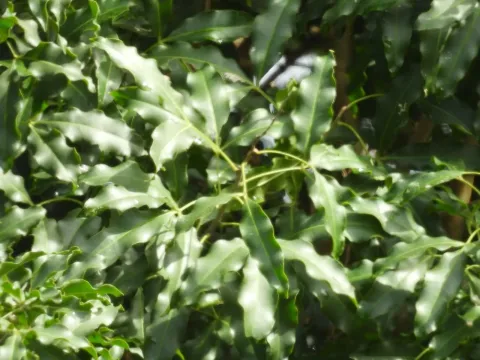
Vepris
Vepris
Vepris is a genus of evergreen trees and shrubs belonging to the Rutaceae family. Native primarily to the tropical regions of Africa and various islands in the Indian Ocean, these plants are known for their aromatic foliage and ecological importance.
What the section contains
 Vepris bachmannii
Vepris boiviniana
Vepris boiviniana
Vepris gerrardii
Vepris gerrardii
Vepris glomerata
Vepris glomerata
Vepris bachmannii
Vepris bachmannii
Vepris boiviniana
Vepris boiviniana
Vepris gerrardii
Vepris gerrardii
Vepris glomerata
Vepris glomerata
 Vepris grandifolia
Vepris heterophylla
Vepris heterophylla
Vepris grandifolia
Vepris grandifolia
Vepris heterophylla
Vepris heterophylla
 Vepris hiernii
Vepris hiernii
Vepris hiernii
 Vepris lanceolata
Vepris lanceolata
Vepris lanceolata
 Vepris natalensis
Vepris natalensis
Vepris natalensis
 Vepris nobilis
Vepris nobilis
Vepris nobilis
 Vepris reflexa
Vepris reflexa
Vepris reflexa
 Vepris trichocarpa
Vepris verdoorniana
Vepris verdoorniana
Vepris trichocarpa
Vepris trichocarpa
Vepris verdoorniana
Vepris verdoorniana
Vepris
Botanically, species of Vepris are characterized by trifoliate or simple leaves that contain essential oil glands. These glands produce aromatic compounds that are valuable for the cosmetic and pharmaceutical industries, making the genus a subject of economic interest.
The climatic requirements for Vepris are strictly tropical. They thrive in environments with consistent temperatures, high humidity, and protection from frost, which makes commercial cultivation challenging outside of their natural distribution zones.
Regarding soil, Vepris requires well-drained, nutrient-rich substrates with a slightly acidic to neutral reaction. They are sensitive to waterlogging, so soil structure must allow for optimal aeration to prevent root rot in high-rainfall conditions.
Agronomic management involves periodic pruning to maintain plant health and improve the yield of volatile oils. As slow-growing woody plants, they require patience and careful attention to soil moisture balance throughout the growing season.
The primary threats to Vepris in cultivation include fungal infections such as leaf spot and mildew, which often develop when air circulation around the canopy is insufficient.
Pests such as scale insects and mealybugs frequently colonize the undersides of leaves, draining sap and weakening the overall vigor of the trees.
Integrated pest management is recommended to control these populations without compromising the quality of the essential oils extracted from the plant tissues.
Soil-borne pathogens can cause root decay if the irrigation management is poor, leading to nutrient deficiency and chlorosis symptoms.
Routine monitoring and maintenance of plant density are crucial strategies to mitigate the spread of pests and diseases across the cultivation area.