
Melicope borbonica
Melicope borbonica
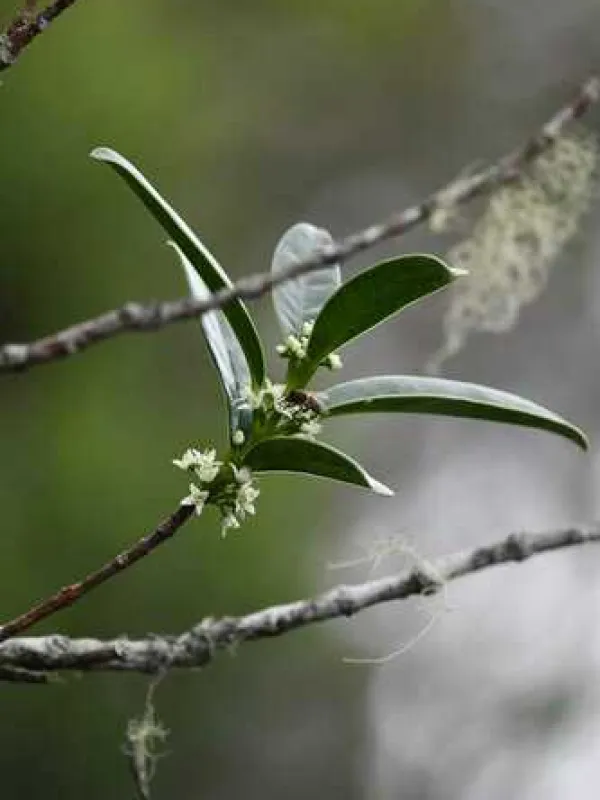
Description
Growing requirements
Melicope borbonica is a distinctive tree species belonging to the Rutaceae family, primarily native to the mountainous regions of Reunion Island.
The plant thrives in humid tropical forest environments where the microclimate provides consistent moisture and moderate temperatures.
Successful cultivation requires soil that is rich in organic matter and minerals, typically exhibiting volcanic characteristics with excellent drainage.
As a forest-dwelling species, it requires a canopy-like environment, where light levels are filtered to prevent leaf scorching during intense heat.
Agrotechnical management focuses on maintaining soil structure and ensuring that the moisture levels mimic the natural highland rainfall patterns.
Main diseases and pests
The species faces significant survival threats due to the encroachment of aggressive invasive plant species that alter local forest dynamics.
Pests typical of the Rutaceae family, such as sap-sucking insects, often target the younger, more succulent leaves of the tree.
Fungal root diseases represent a major risk, especially in nursery settings where poor soil drainage or excessive stagnant water is present.
Habitat fragmentation resulting from human development continues to be the primary cause of population decline for this endemic plant.
Environmental shifts that disrupt the moisture balance in its native habitat pose a severe threat to the long-term viability of wild stands.