
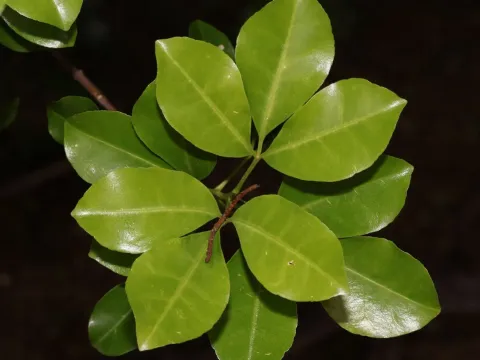
Melicope
Melicope
Melicope is a genus of trees and shrubs belonging to the Rutaceae family. These evergreen plants are known for their distinct aromatic foliage and are often studied for their essential oil content and role as biodiversity supports in tropical ecosystems.
What the section contains


Melicope
Originating from regions across the Pacific, including Australia and Southeast Asia, these plants require specific environmental conditions to thrive. They typically flourish in warm, humid climates with stable temperatures that avoid extreme frost or cold snaps.
The soil requirements for Melicope involve well-drained, nutrient-rich mediums. They cannot tolerate waterlogged conditions, as this leads to rapid root decay; therefore, planting on elevated beds or ensuring excellent soil porosity is a standard agricultural practice.
Water management is critical during the establishment phase. While mature plants show some drought tolerance, consistent irrigation is necessary for maximum vegetative growth and flower development, which in turn boosts their honey-producing potential.
Cultural practices include regular pruning to maintain a manageable structure for harvesting or maintenance. Providing a balanced fertilizer regimen during the growing season supports the development of foliage and increases the density of the canopy.
The primary threats to Melicope are fungal pathogens affecting the root system. Over-irrigation or poor drainage creates conditions for Phytophthora infections, which can be devastating to tree health if left untreated.
Insect pests such as scale insects and aphids are commonly observed on the undersides of leaves. These pests cause damage by extracting sap, which may lead to the development of sooty mold, a fungus that grows on the sugary excrement of the insects.
Management strategies involve integrated pest management (IPM) techniques. This includes the use of biological controls, such as beneficial predatory insects, to suppress pest populations without compromising the plant's role as a nectar source.
Nutrient deficiencies, specifically iron chlorosis, can occur in alkaline soils, leading to yellowing between leaf veins. Corrective measures include the application of chelated iron supplements to restore the plant's metabolic processes.
Regular sanitation of the orchard or planting site is essential to minimize disease pressure. Removing fallen leaves and debris reduces the habitat for dormant stages of pests and fungal spores, promoting a healthier growing environment.