
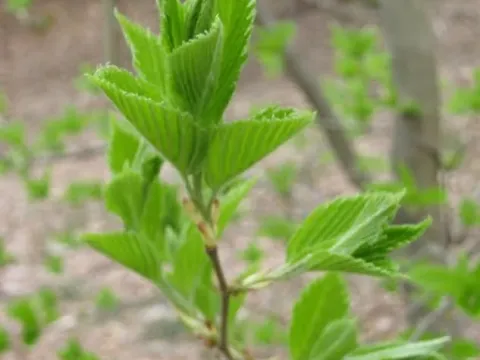
Woolly-leafed mountain ash
Sorbus lanata
Woolly-leafed mountain ash (Sorbus lanata) is a member of the Rosaceae family. This distinct species is native to the mountainous terrains of Asia, where it has evolved to thrive in diverse and often harsh environmental conditions.
What the section contains
Woolly-leafed mountain ash
The tree prefers deep, well-drained loamy soils but displays a remarkable tolerance for various soil types. For optimal performance, the pH should remain in the neutral to slightly acidic range to ensure proper nutrient absorption from the ground.
In terms of climate, Sorbus lanata is highly cold-hardy, making it suitable for northern regions. It requires a sunny position to develop its characteristic dense canopy and to promote consistent flowering during the late spring period.
Agrotechnical maintenance involves consistent mulching to preserve soil moisture and regulate temperature around the roots. While established trees are drought-tolerant, supplemental watering is essential during periods of extreme heat.
Pruning should be performed during the dormant season to shape the tree and remove crossing branches. This practice encourages better air circulation, which is vital for maintaining the health of the tree's dense foliage structure.
The primary diseases affecting Sorbus lanata include fire blight, a bacterial infection that can cause branches to appear scorched. Pruning and destroying infected wood is the most effective management strategy for this disease.
Powdery mildew is another common issue, particularly in humid or stagnant air environments. It manifests as a white, powdery fungal growth on the leaves, which can be mitigated by ensuring proper spacing between ornamental plants.
Pest threats include the mountain ash sawfly, which can strip foliage if left unchecked. Early detection is crucial, and hand-picking or organic insecticidal soap can be used for small-scale infestations in home gardens.
Borer insects can also be a hidden danger, as they tunnel into the trunk and weaken the tree structure over time. Maintaining tree vigor through proper fertilization and watering is the best natural defense against boring pests.
Integrated Pest Management (IPM) practices are recommended to protect beneficial insects in the garden. Avoiding broad-spectrum pesticides helps maintain the natural balance and reduces the likelihood of secondary pest outbreaks.