
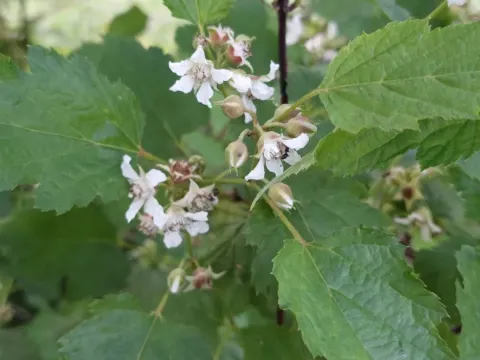
Wright's bramble
Rubus wrightii
Wright's bramble (Rubus wrightii) is a distinct species belonging to the Rosaceae family. It is native to temperate regions of East Asia, primarily identified in Japan and Taiwan.
What the section contains
Wright's bramble
The plant thrives in loamy, well-draining soil with a slightly acidic profile. Proper site selection is crucial, as the species requires significant light exposure to maintain healthy growth cycles.
In terms of climate, it prefers regions with mild winters and moderate humidity. Extreme frost can be detrimental to the delicate stems, necessitating protective measures in cooler environments.
Agricultural management requires spacing between rows to ensure airflow. Given its natural characteristics, this plant performs best when supported by a trellis system to keep foliage off the ground.
Regular irrigation is essential during the active growing season, especially during fruit set. Organic mulching around the base is recommended to regulate soil temperature and moisture levels.
Common pathological issues include fungal diseases such as gray mold (Botrytis) and various leaf spots, especially during rainy and humid seasons which favor spore development.
Insect pests such as aphids and leaf-eating beetles frequently target young shoots. Integrated pest management (IPM) is the most effective approach for maintaining plant health.
Sanitation practices, such as removing fallen leaves and pruning dead wood, significantly reduce the wintering sites for pathogens and insect larvae.
If chemical interventions are necessary, they should be applied early in the morning or late in the evening to minimize impact on bees and other beneficial insects.
Monitoring for signs of stress is vital, as weakened plants are significantly more susceptible to environmental damage and secondary infection by soil-borne pests.