
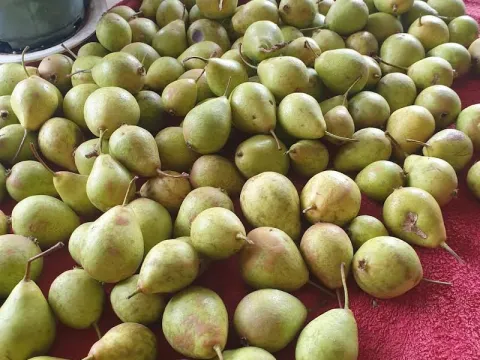
Xinjiang pear
Pyrus sinkiangensis
The Xinjiang pear (Pyrus sinkiangensis) is a significant fruit crop belonging to the Rosaceae family. Native to the western regions of China, this species is well-adapted to the rigorous conditions of arid and semi-arid climates.
What the section contains
Xinjiang pear
Botanically, the tree is characterized by a vigorous growth habit and a strong, spreading canopy. Its leaves are typically ovate, and the tree produces white flowers that are highly attractive to pollinators, ensuring consistent fruit set under optimal environmental conditions.
The species thrives in well-drained loamy soils and requires full sun exposure to achieve high-quality fruit production. It is highly valued for its exceptional cold hardiness and drought tolerance, which are critical traits for cultivation in high-latitude or high-altitude regions.
Proper soil management, including the addition of organic matter, helps maintain the required moisture levels. Although the tree is resilient, supplemental irrigation during peak growth periods significantly improves both the size and quality of the harvest.
In commercial agriculture, the Xinjiang pear is utilized for its long shelf life and firm texture, making it an excellent choice for export markets and storage, where it retains its flavor profile for extended periods after harvest.
Scab infection, caused by fungal pathogens, remains a primary concern for growers. It typically affects foliage and fruit, causing lesions that reduce the market value of the produce. Regular fungicide applications in early spring are standard practice.
Fire blight is another major threat that requires aggressive management. Growers must practice strict sanitation, including the removal and destruction of infected wood to prevent the spread of the pathogen throughout the orchard.
Pests such as the pear psylla can cause severe damage by feeding on the sap of young shoots, leading to reduced vigor. Integrated pest management strategies, utilizing both biological controls and targeted pesticides, are highly recommended.
Mites and various lepidopteran pests can also impact the health of the trees. Monitoring programs help identify infestation levels early, allowing for intervention before the pests cause significant economic damage to the canopy.
Maintaining tree vigor through proper nutritional management and pruning practices is essential to minimize the impact of disease. Healthy trees are significantly better equipped to recover from minor pest pressures.