
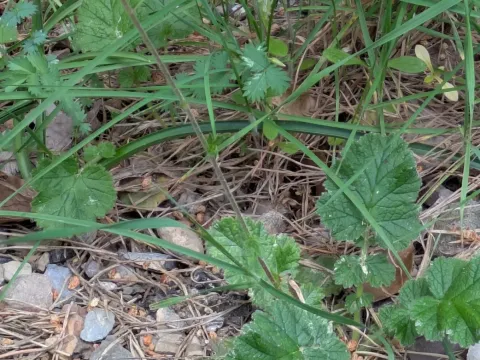
Wood avens
Geum sylvaticum
Wood avens seeds should be sown in late autumn, ideally in October or November, directly into prepared soil. This allows for natural winter stratification, which is essential for ensuring high germination rates.
What the section contains
Wood avens
If opting for spring sowing, seeds require artificial stratification in a cold environment at 2–5 degrees Celsius for about six weeks to break dormancy effectively.
For nursery production, seeds are sown in trays filled with well-drained, nutrient-rich compost. Maintain a temperature of 18–20 degrees Celsius to encourage consistent seedling development.
Once seedlings have developed at least two true leaves, they should be pricked out into individual pots or a nursery bed to strengthen the root system before transplanting.
Vegetative propagation via root division is also a highly effective method. This should be carried out in early autumn to give the plants sufficient time to establish before the first frost.
As a member of the Rosaceae family, Geum sylvaticum thrives in environments that mimic its natural woodland habitat, preferring partial shade over direct, harsh sunlight.
The crop requires fertile, humus-rich soil with good drainage. While it appreciates constant moisture, it is crucial to avoid waterlogged conditions, which can lead to root rot.
It is a highly hardy species, capable of surviving cold winter temperatures without special protection. Its resilience makes it an ideal perennial for various temperate agricultural zones.
Consistent watering during the growing season is necessary to maximize vegetative growth. During prolonged dry spells, additional irrigation should be provided to maintain plant health.
Applying organic matter, such as well-rotted compost or mulch, in the spring helps retain soil moisture and provides a steady supply of nutrients for the plant's development.
The economic value of wood avens lies primarily in its harvested rhizomes and aerial parts, which are rich in tannins and essential oils used in various industries.
Harvesting is typically performed during the second or third year of growth. Commercial plantations can achieve yields of up to 2 tons of dried root biomass per hectare.
The crop also serves a dual purpose as an ornamental plant and a nectar source, increasing its versatility in sustainable farming systems and local market sales.
Yield consistency is highly dependent on light levels and soil composition. Providing optimal growing conditions can significantly enhance both the quality and quantity of the raw material.
Proper post-harvest processing, including controlled drying of roots in ventilated areas, is essential to preserve the biological integrity of the harvested material.
The primary threats to wood avens include fungal pathogens such as powdery mildew, which thrive in overcrowded, poorly ventilated planting sites with high humidity.
Effective management strategies include proper spacing between rows to ensure adequate airflow and the timely removal of weeds to minimize competition and pathogen spread.
Minor pests such as aphids or certain leaf-eating insects may occasionally affect the foliage, but these rarely cause significant damage if the plants are otherwise healthy.
Integrated pest management, favoring biological controls and eco-friendly fungicides, is recommended to keep the plantation healthy while maintaining high-quality outputs.
Regular monitoring for early signs of decay or pest activity allows for localized treatment, protecting the rest of the crop and ensuring a productive harvest season.