
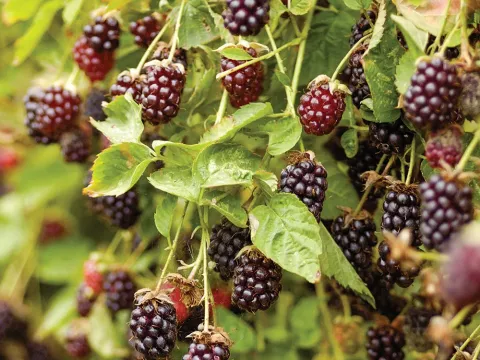
Youngberry
Rubus young
The Youngberry (Rubus young) is a notable hybrid within the Rosaceae family, specifically developed for its high-quality fruit production. It represents a significant horticultural achievement, combining the robustness of various blackberry and dewberry ancestors to create a superior berry crop.
What the section contains
Youngberry
This crop thrives in regions with temperate climates and requires a sunny location to maximize photosynthesis and sugar accumulation in the fruits. Protection from strong winds is essential, as the trailing canes are susceptible to physical damage if not properly supported.
Soil requirements for the Youngberry involve well-draining, fertile loams with a slightly acidic pH. Maintaining the correct moisture levels is critical; while the plant requires adequate water during the growing season, it is highly sensitive to waterlogged soil conditions.
Agricultural management requires the use of trellising systems to train the vigorous canes. This practice is vital for maintaining plant health, as it facilitates proper airflow and reduces the risk of fungal infections by keeping the foliage off the ground.
Regular fertilization with balanced nutrients is recommended during the spring growth flush to support the development of strong fruit-bearing laterals. Proper soil preparation and consistent weed control are foundational steps for a successful plantation.
Youngberries are highly productive when cultivated under optimal conditions. A well-managed plantation can provide a bountiful harvest for several years, making this species a viable option for both commercial enterprises and private gardeners.
The yield potential is maximized when the plant receives sufficient water during the critical stages of flowering and berry enlargement. Drought stress during these periods can significantly reduce both the size and the market quality of the harvested fruit.
In terms of хозяйственное usage, the Youngberry is prized for its tart yet sweet flavor, making it perfect for jams, jellies, and fresh consumption. Its excellent adaptability to industrial processing adds value to the crop in the global market.
Maximizing yield involves careful pruning strategies. Removing old floricanes after the harvest season directs the plant's energy toward developing new canes for the next season's crop, thereby maintaining continuous production cycles.
Yield consistency also relies on the correct selection of site and effective management of pollination. Providing a pollinator-friendly environment can increase fruit set rates and overall plant productivity throughout the growing season.
The main threats to Youngberry health include pathogens like Anthracnose and various types of fruit rot, which can proliferate in humid environments. Preventive fungicide applications and spacing plants appropriately are effective strategies for disease control.
Pests such as mites and raspberry beetles pose a challenge to leaf and fruit development. Regular monitoring is essential to catch infestations early and apply corrective measures, whether through biological controls or approved chemical interventions.
Maintaining a clean cultivation area by removing infected canes and plant debris at the end of each season is crucial for preventing the buildup of disease-causing spores within the soil or surrounding vegetation.
Nutritional deficiencies can sometimes mimic disease symptoms, so conducting regular soil tests is recommended. Ensuring that the plant has access to essential micronutrients prevents stress that could make it more susceptible to opportunistic pests.
Integrated pest management, including the encouragement of natural predators, is a sustainable way to keep pest populations at bay while preserving the quality of the organic berry production environment.
Harvesting Youngberries requires a delicate touch as the fruits are quite soft when fully ripe. It is best to perform the harvest during the cool hours of the morning to preserve the freshness and longevity of the berries post-harvest.
For commercial success, berries must be carefully inspected for signs of damage or bruising during the picking process. Proper handling techniques help maintain the integrity of the fruit, which is essential for ensuring high marketability.
The fruit's high perishability means that post-harvest cold storage is necessary. By maintaining temperatures between 1 and 3 degrees Celsius, producers can effectively extend the shelf life and freshness of their produce until it reaches the consumer.
Ongoing maintenance after the harvest, such as removing fruited canes and applying mulch, helps the plant recover its energy levels. This post-harvest care is fundamental to the long-term success and vigor of the berry patch.
Finally, standard record-keeping of harvest dates and yield volumes enables producers to analyze the productivity of their plantation year-over-year, leading to data-driven improvements in their overall farming operations.