
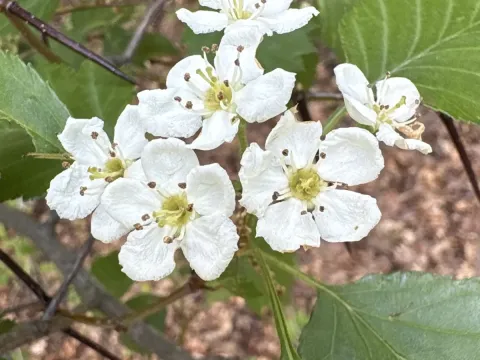
Yellow-fruited hawthorn
Crataegus chrysocarpa
Sowing seeds of the yellow-fruited hawthorn is best performed in the autumn, as the seeds require a long period of natural cold stratification to break dormancy.
What the section contains
Yellow-fruited hawthorn
For spring sowing, seeds must undergo artificial stratification in a refrigerator or cold storage at temperatures between +1 and +5 degrees Celsius for several months.
Scarification is often recommended to improve germination rates, as the hard seed coat acts as a physical barrier against water absorption by the embryo.
Nursery-grown seedlings should be transplanted to their permanent site either in the early spring before bud break or in the late autumn during dormancy.
Proper spacing is crucial for healthy growth: place plants at least 0.5 to 1 meter apart for dense hedges, and up to 3 meters apart for individual specimens.
Belonging to the Rosaceae family, the yellow-fruited hawthorn is a robust and highly adaptable woody perennial shrub native to North America.
It thrives in full sun exposure, which is necessary to maintain a dense, attractive canopy and ensure optimal fruit set and quality throughout the season.
The species prefers well-drained, fertile loamy soils but displays remarkable tolerance to various soil types, including slightly alkaline or heavy clay conditions.
This hawthorn variety is exceptionally hardy and capable of surviving harsh winters, making it an excellent choice for northern landscapes and windbreaks.
While mature plants are drought-tolerant due to their deep root systems, supplemental irrigation is beneficial during the establishment phase and extreme dry spells.
Powdery mildew is a common fungal threat that affects the foliage, particularly in humid or stagnant air conditions where ventilation is poor.
Rust diseases are also observed in some environments, manifesting as discolored spots on leaves and potentially reducing the plant's overall vigor.
Common insect pests include aphids and various types of weevils that feed on the soft, emerging growth of spring buds and tender leaves.
Effective management involves regular pruning to improve airflow through the canopy, which naturally helps reduce the pressure from fungal pathogens.
Integrated pest management, including the judicious use of horticultural oils or insecticides, is recommended when pest populations exceed economic thresholds.
The fruits ripen in late summer to early autumn, distinctively turning a golden-yellow or orange color, which makes the plant highly attractive in the landscape.
Harvesting is performed by hand-picking the fully ripened, soft berries, which are then processed for their nutritional and culinary benefits.
The fruit is valued for its versatility in food production, commonly used in jams, jellies, preserves, and traditional medicinal infusions for heart health.
Post-harvest handling involves cleaning and drying the berries to extend their shelf life, ensuring they remain useful for consumption throughout the year.
Beyond culinary use, the fruit contains significant levels of antioxidants and flavonoids, which contribute to the species' recognition as a beneficial dietary supplement.