
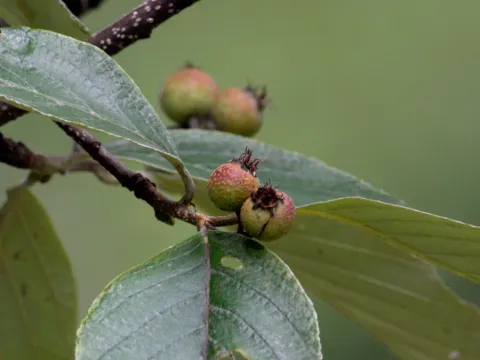
Himalayan whitebeam
Sorbus cuspidata
The propagation of Sorbus cuspidata is typically achieved through seeds or grafting. Seeds require a cold stratification process lasting for several months to break dormancy and ensure high germination rates in the spring.
What the section contains
Himalayan whitebeam
Sowing should ideally take place in autumn in cold frames or protected nursery beds. This allows the seeds to undergo the necessary physiological changes induced by winter temperatures, resulting in more uniform seedling emergence.
When propagating via cuttings, semi-hardwood cuttings taken during the early summer months demonstrate the highest success rate. Using rooting hormone and a misting system helps maintain the turgor pressure of the cuttings.
Young plants should be transplanted to their final location during the dormant season, either in late autumn or early spring. This timing allows the root system to establish itself before the onset of the active growth phase.
Adequate spacing, usually between 3 and 5 meters, is essential to accommodate the mature spread of the crown. Proper spacing prevents resource competition and allows for sufficient airflow, which is critical for disease prevention.
The Himalayan whitebeam, belonging to the Rosaceae family, is a robust deciduous tree prized for its silver-felted undersides of the leaves. Its natural habitat is found in the mountainous regions of the Himalayas, indicating its tolerance to cool climates.
The species thrives in well-drained, fertile soil with a neutral to slightly acidic pH. It is sensitive to waterlogging, necessitating the choice of sites with excellent soil structure or the implementation of drainage solutions in heavy soils.
Although it is relatively hardy, the plant prefers full sun to light shade to ensure the density and aesthetic appeal of its foliage. In urban settings, it shows moderate tolerance to pollution, making it a viable option for landscape design.
Soil moisture management is key during the establishment phase. While mature trees are somewhat drought-tolerant, supplemental watering during prolonged dry spells significantly enhances growth and overall plant vigor.
Annual feeding with balanced fertilizers applied in early spring can promote better foliage development. It is advisable to avoid excessive nitrogen application in late summer to prevent succulent growth that may be damaged by early frosts.
The primary threats to Sorbus cuspidata include fungal pathogens like apple scab and powdery mildew, which thrive in humid and stagnant air conditions. Proper crown thinning is essential to reduce these risks.
Insect pests, such as aphids and sawflies, can cause localized damage to leaves. Regular monitoring of the foliage allows for early intervention, often using insecticidal soaps or biological control agents to manage populations.
Fire blight is a major concern for this species, requiring prompt sanitation by pruning away infected branches well below the site of infection. Disinfecting tools between cuts is non-negotiable to prevent pathogen transmission.
Environmental stress, such as severe winter ice or extreme summer heat, can weaken the tree's natural defense systems. Ensuring the tree is properly hydrated and mulched can significantly improve its resistance to secondary pests.
- Sanitary pruning of dead or diseased wood.
- Application of copper-based fungicides in early spring.
- Monitoring for leaf-rolling insects during spring.
- Maintaining mulch layers away from the trunk base.
- Providing winter protection for young, vulnerable saplings.