
Himalayan Spiraea
Spiraea bella
Description
Growing requirements
Himalayan Spiraea (lat. Spiraea bella) is a deciduous ornamental shrub belonging to the Rosaceae family. Native to the mountainous regions of the Himalayas, this plant has adapted to cooler climates and moist soil conditions, making it a robust choice for temperate gardens.
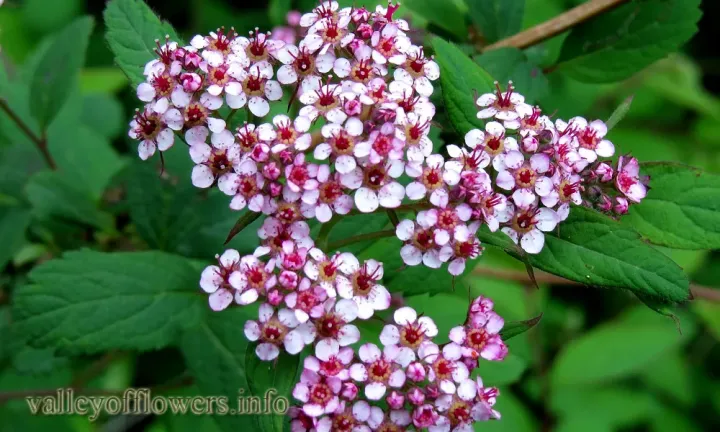
The botanical structure of the shrub consists of erect stems that can reach up to 1.5 meters in height. The foliage is ovate with serrated margins, providing a lush green appearance throughout the growing season. The plant is particularly prized for its terminal clusters of soft pink flowers.
This species thrives in locations with full sun to partial shade. To ensure optimal growth, the soil should be well-drained, fertile, and slightly acidic to neutral. Providing sufficient organic matter during the planting phase helps to establish a strong root system in the early stages.
Cultural practices include consistent watering during dry spells and regular mulching to retain soil moisture. Pruning is essential to maintain the shape of the shrub and promote healthy growth; it is best performed immediately after the flowering period to encourage new bud formation.
In landscaping, Spiraea bella is highly valued for its versatility. It is commonly used in mixed shrub borders, mass plantings, and as part of naturalized landscaping. Its ability to adapt to varying soil conditions makes it a reliable perennial for both public and private green spaces.
Main diseases and pests
Aphids represent the most common pest challenge for the Himalayan Spiraea. These small insects tend to feed on the sap of young shoots and buds, which can stunt development and diminish the overall aesthetic appeal of the shrub during the peak growing season.
Powdery mildew is a recurring fungal issue, especially in environments with high humidity and poor air circulation. Symptoms include a white, powdery coating on the leaves, which can be mitigated by ensuring adequate spacing between plants and avoiding overhead watering.
Spider mites may occasionally infest the plant during periods of prolonged heat and low rainfall. Infested leaves may exhibit yellowing or bronzing before falling off prematurely. Keeping the plant properly hydrated helps to increase its resistance to these pests.
Leaf spot diseases can also occur, particularly during wet springs. These infections are best managed by removing and disposing of infected plant material and ensuring that the garden area remains free of decaying leaf litter that may harbor fungal spores.
Maintaining plant vigor through balanced fertilization and correct pruning significantly reduces susceptibility to these threats. Integrating beneficial insect populations and using targeted treatments when necessary provides an effective strategy for long-term plant health.