
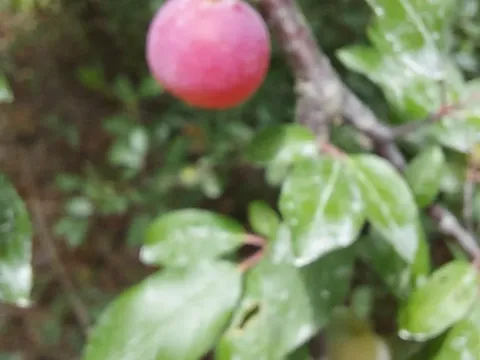
Hog plum
Prunus umbellata
Prunus umbellata, commonly known as the Hog plum, is a deciduous shrub or small tree belonging to the Rosaceae family. Native to the southeastern United States, it is recognized for its ability to thrive in diverse environmental conditions. It is frequently found in woodland borders and well-drained habitats where soil competition is moderate.
What the section contains
Hog plum
The plant requires well-drained sandy or loamy soils and is known for its tolerance to acidic conditions. While it exhibits strong drought tolerance once established, it performs best in full sun. Proper site selection should avoid areas prone to waterlogging, as the root system is sensitive to excessive moisture accumulation.
Botanically, the Hog plum is characterized by its white to cream-colored flowers that bloom in early spring. The tree typically reaches a height of 15 to 20 feet and can form dense thickets through root suckering. Its leaves are simple, alternate, and usually serrate, providing a lush appearance during the growing season.
The fruit of the Hog plum is a small, rounded drupe that matures to shades of yellow, red, or dark purple. These fruits are highly regarded for their use in jellies and preserves due to their high pectin content. They also serve as an essential food source for wildlife, particularly birds and small mammals throughout the late summer and autumn.
Cultivation practices involve minimal maintenance compared to commercial orchard varieties. However, regular pruning is recommended to manage the tree's height and encourage fruit production. The tree's aesthetic appeal and low maintenance make it a suitable choice for ornamental planting and wildlife-friendly landscaping.
Like many species in the genus Prunus, the Hog plum is susceptible to fungal infections such as brown rot, particularly during wet and humid growing seasons. Implementing cultural practices like cleaning up fallen debris and maintaining adequate spacing between trees can significantly reduce the incidence of these pathogens.
Insect pests such as plum curculio and aphids can affect both fruit quality and overall tree health. Regular inspection of foliage and fruit development is crucial for identifying pest pressure early. Applying horticultural oils or approved insecticides during the dormant season can help manage overwintering populations and protect the crop.