
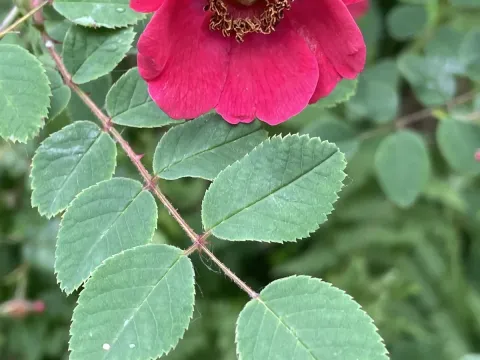
Holodonta rose
Rosa holodonta
The Rosa holodonta is an elegant shrub belonging to the Rosaceae family. This species is highly regarded for its decorative traits, featuring unique foliage and attractive flowers that make it a favorite for collectors.
What the section contains
Holodonta rose
Native to the mountain regions of China, this species thrives in climates characterized by mild, moist conditions. Its natural habitat is typically found on slopes where light penetration is abundant.
Cultivation requires well-drained, fertile soil with a neutral or slightly acidic pH balance. Proper drainage is essential to prevent root rot, especially in regions with high seasonal rainfall.
The plant performs best in locations with full sun exposure, although it can tolerate partial shade in hotter climates. Adequate air circulation is crucial to maintain plant health and prevent moisture buildup on leaves.
Routine maintenance includes balancing nutrient levels through seasonal fertilization. Organic compost applied in the early spring provides long-term nutrition for steady and robust growth.
This species is susceptible to typical rose diseases, including powdery mildew and black spot. These fungal infections are often triggered by stagnant air and excessive humidity around the foliage.
Proper pruning is vital to remove dead or diseased branches, which acts as a sanitation measure to prevent the spread of spores. Thinning the center of the shrub allows for better sunlight and airflow.
Aphids and spider mites are the most common pests that can affect this plant. These insects thrive in dry conditions and can cause significant damage if populations are not managed early.
Control strategies should focus on integrated pest management, starting with biological controls before resorting to chemical treatments. Regular inspection is key to keeping the plants healthy.
- Monitor for signs of yellowing or spotted leaves
- Apply neem oil as a preventive organic measure
- Maintain clean surroundings to reduce pest habitats