
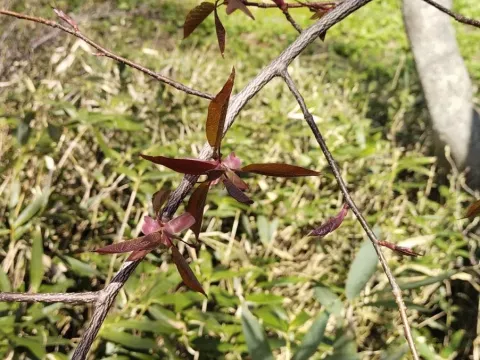
Hokkaido Bird Cherry
Prunus ssiori
Prunus ssiori, commonly known as the Hokkaido Bird Cherry, is a distinct deciduous tree belonging to the Rosaceae family. It is native to the temperate forests of the Russian Far East, Japan, and the Korean Peninsula, where it typically thrives in rich, moist soils along river banks and in valley bottoms.
What the section contains
Hokkaido Bird Cherry
The culture requires a cool, humid climate and performs best in deep, well-drained loamy soils. While it exhibits strong winter hardiness, the tree is sensitive to prolonged periods of drought and high summer temperatures. Successful establishment depends on providing sufficient soil moisture throughout the peak growing season.
Botanically, this species is identified by its large, pointed, serrated leaves and characteristic upright racemes of white flowers. Unlike other cherries, it has a robust growth habit, making it suitable for both forest restoration projects and as a singular decorative specimen in large gardens or botanical collections.
In terms of agricultural and хозяйське use, the tree is prized for its high-quality, durable timber which is suitable for fine woodwork. Its fruits are edible and are locally harvested for their rich biochemical profile, containing vitamins and antioxidants that are highly valued in food and supplement industries.
Proper agronomic management involves regular maintenance of the soil structure and providing shelter from drying winds. The tree thrives in partial shade during its juvenile stage, gradually adapting to full sun as it matures, provided that the root zone remains consistently cool and adequately hydrated.
The primary threats to Prunus ssiori include various fungal pathogens such as leaf spot and bark canker, which are often exacerbated by poor air circulation and high humidity levels within the canopy. Regular monitoring for discolored foliage is essential for early detection.
Pests that frequently target this species include leaf-eating caterpillars and aphids. Aphids can cause severe damage to the tender growth of young shoots, potentially stunting the tree's development and attracting secondary infestations if not managed through integrated pest control strategies.
Root-related diseases are a significant risk if the soil becomes waterlogged or overly compacted. Implementing proper drainage systems and avoiding excessive irrigation at the tree base are critical to maintaining root health and preventing the onset of systemic fungal infections.
Environmental stress can also predispose the tree to wood-boring insects. Maintaining the tree in a vigorous, healthy state through proper fertilization and selective pruning of dead or diseased branches is the best defense against long-term colonization by stem pests.
Preventive care must involve a strict sanitation protocol. Collecting all fallen leaves in autumn is a vital practice, as they harbor spores of common cherry diseases, preventing the reinfection of the tree in the following spring season.