
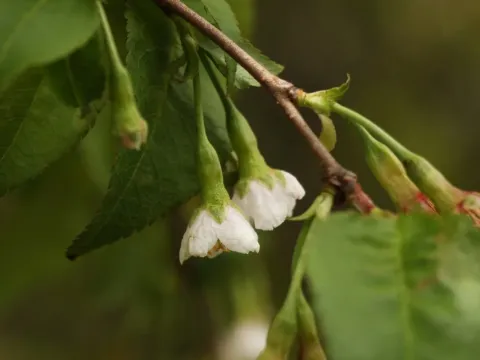
Himalayan cherry
Prunus rufa
Himalayan cherry (Prunus rufa) is a species of tree in the Rosaceae family, widely appreciated for its exceptional aesthetic qualities. Its most distinguishing feature is the glossy, copper-colored bark that peels horizontally, creating a distinct and attractive texture throughout the year.
What the section contains
Himalayan cherry
Native to the high-altitude regions of the Himalayas, including areas in India, Nepal, and China, this tree is well-adapted to cooler climates. Its natural environment provides a blueprint for the conditions it requires to thrive in a cultivated garden or orchard setting.
To cultivate this plant successfully, one must ensure a site with well-drained, fertile soil. It performs best in loam or sandy loam substrates that do not retain excess water, as the roots are sensitive to prolonged moisture logging which can lead to decay.
The tree prefers a sunny location where it can receive ample light to develop its characteristic bark color and dense foliage. While it is hardy, providing a position sheltered from harsh, drying winds will help maintain the tree's vigor and promote healthy growth.
Basic maintenance involves regular deep watering during dry spells, particularly in the first few years after planting. A balanced fertilization program in early spring supports healthy development, while periodic pruning helps maintain a clean, balanced structure.
The plant is susceptible to common stone fruit diseases such as bacterial canker and various leaf spot fungi. Maintaining high sanitary standards in the garden, such as cleaning up leaf debris and sterilizing pruning tools, is essential for disease management.
Pests like aphids and scale insects can occasionally infest the tree, especially during seasons with abnormal temperature fluctuations. Monitoring the undersides of leaves and using appropriate horticultural soaps or oils can effectively manage these populations without harming the tree.