
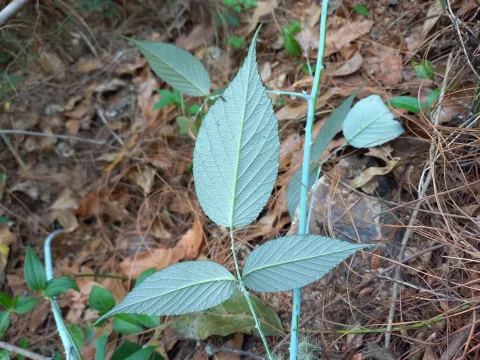
Himalayan Raspberry
Rubus eriocarpus
Propagation is primarily achieved through vegetative methods, specifically by rooting the terminal tips of the canes during the late summer season.
What the section contains
Himalayan Raspberry
Transplanting seedlings to their final location is best performed in the autumn, allowing the plants to establish their roots before the onset of dormancy.
For those utilizing seeds, a cold stratification process lasting at least two to three months is essential to overcome dormancy and ensure successful germination.
The recommended planting distance is approximately 1.5 to 2 meters between plants in a row to allow for adequate growth and airflow.
Choosing a site that offers protection from strong winds is crucial, as the canes can be brittle and susceptible to damage during intense weather events.
This species thrives in sunny, well-lit conditions, as full exposure to sunlight is required to optimize sugar content and overall yield quality.
Loamy, nutrient-rich soil with a neutral to slightly acidic pH provides the ideal environment for the development of the root system.
Consistent moisture is necessary, especially during the flowering and fruit-setting stages, to prevent stress and ensure high-quality berry production.
Good soil drainage is mandatory to prevent waterlogging, which often leads to root rot and other pathogenic infections in the root zone.
In colder climates, adequate winter mulching and protection are necessary to prevent winter kill and preserve the structural integrity of the canes.
The total yield of Himalayan raspberry depends on proper nutrient management and regular pruning of the canes that have already finished fruiting.
Plants generally reach maturity and start producing significant yields between the second and third year following initial planting.
The berries develop in dense clusters, characterized by their unique whitish, woolly appearance that gives the species its scientific name.
Implementing a trellis support system is highly recommended for commercial production to maximize exposure to light and simplify harvesting operations.
The shelf life of the harvested fruit is relatively short, necessitating efficient handling and prompt market delivery for fresh consumption.
Fungal diseases, including anthracnose and various types of rust, are the most significant threats to the overall health of the plants.
Insect pests like the strawberry blossom weevil or aphids can cause significant damage to the buds and leaves if not monitored regularly.
Spider mites often thrive in dry, warm conditions, potentially leading to widespread leaf damage if early control measures are not taken.
Integrated pest management, including regular inspection and preventative fungicidal treatments, is essential for maintaining a healthy plantation.
Pruning out diseased wood and ensuring proper spacing between plants significantly reduces the risk of pest and disease outbreaks.
Harvesting should be done selectively, picking only the berries that have reached their full color and desired softness for immediate processing or sale.
To ensure maximum freshness, it is advised to pick the berries during the early morning hours, once the dew has fully evaporated from the fruit.
Careful handling is required as the berries are extremely delicate and prone to bruising, which can negatively affect their market value.
Using shallow crates is the preferred method for transporting berries from the field to storage to avoid crushing the fruit in the containers.
Prompt cooling after the harvest helps to maintain the berries' texture and nutritional quality, ensuring they reach consumers in top condition.