
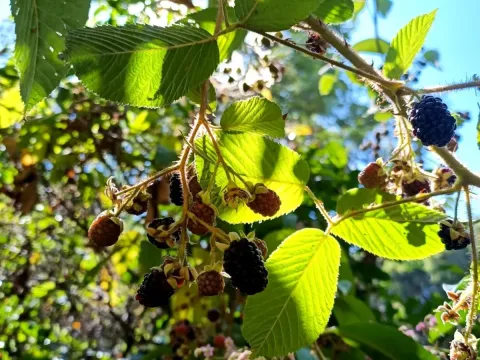
Rubus adenotrichos
Rubus adenotrichos
Rubus adenotrichos is a perennial shrub species belonging to the Rosaceae family. It is distinct due to the glandular hairs covering its stems, which act as a defense mechanism and a morphological marker for identification.
What the section contains
Rubus adenotrichos
The species originates from the mountainous regions of Central and South America. It has evolved to thrive in high-altitude environments where moisture is consistent and temperatures remain relatively stable throughout the year.
Successful cultivation requires soil that is rich in organic matter and possesses excellent drainage capabilities. A slightly acidic to neutral pH level is ideal for nutrient uptake and overall plant health.
The plant performs best in locations that receive full sunlight for the majority of the day, though it can tolerate partial shade in regions with extremely high midday temperatures. Proper spacing is essential to prevent overcrowding.
Agrotechnical practices involve pruning older, non-productive canes to encourage new growth. Adequate irrigation during the fruit-setting stage is critical to ensure high berry quality and size.
The crop is utilized primarily for its edible fruits, which are processed into preserves, juices, and fresh market products. Commercial yield depends heavily on the maintenance of the plant's trellis system.
The most common threats to plant health include fungal diseases such as anthracnose and powdery mildew. These are usually managed through improved orchard hygiene and moisture control around the foliage.
Insects like aphids and beetles are common pests that feed on the soft tissues of the leaves and flowers. Integrated pest management practices are highly recommended to sustain the health of the plantation.
Harvesting requires careful handling, as the berries are delicate. They are picked once they reach full coloration to ensure optimal sweetness and flavor profiles for consumers.