
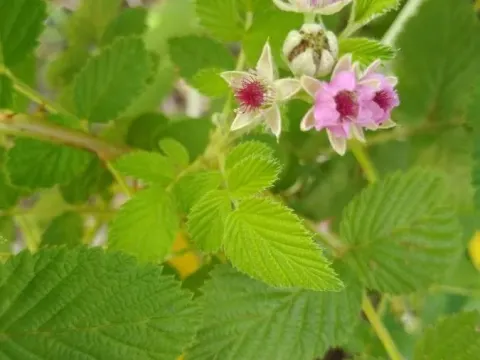
West Himalayan raspberry
Rubus lasiocarpus
Propagation of this culture is most often carried out by vegetative means, particularly through the use of root suckers or tip layering. The optimal time for planting seedlings in open ground is early spring, before the start of active sap flow, or during the autumn period when the plant enters dormancy.
What the section contains
West Himalayan raspberry
For seed propagation, sowing is recommended in the autumn into prepared containers, as the seeds require mandatory stratification to increase the germination rate. Using high-quality seed material allows for selection work and adaptation of the culture to local growing conditions.
Planting in a permanent location requires following a specific spacing scheme to ensure bushes have enough space for growth and ease of maintenance. It is recommended to maintain a distance of 1.5–2 meters between plants in a row and at least 2.5 meters between rows to ensure adequate air circulation.
An important preparation step is deep plowing of the soil with the application of organic fertilizers, such as composted manure, which provides seedlings with the necessary nutrition during the initial stages of development.
After planting, seedlings require abundant watering and mulching of the root zone, which helps retain moisture in the soil and suppresses weed growth during the first months of plant adaptation.
Rubus lasiocarpus belongs to the Rosaceae family and is a perennial subshrub. In the wild, this species grows in mountainous areas of the subtropical zone, which dictates its preference for a moderately warm climate with sufficient humidity levels.
The culture is highly demanding regarding the illumination of the site; to obtain a quality yield, it is necessary to choose open, well-sunlit areas. Shading leads to elongated shoots, reduced productivity, and poor taste characteristics of the berries.
It prefers well-drained, fertile loams or sandy loam soils with a neutral or slightly acidic pH. Waterlogging is detrimental to the root system, so in areas with high groundwater levels, it is necessary to install drainage systems or plant on raised beds.
In regions with harsh winters, the plant requires protection of the shoots, as the species' frost resistance is limited. During agrotechnical management, it is important to perform timely pruning of old, fruited canes, which stimulates the formation of new branches and improves overall bush health.
Irrigation should be regular during periods of active growth and fruit set, however, waterlogging should be avoided. A drip irrigation system is the most efficient way to maintain the optimal water balance for this member of the Rosaceae family.
The main threats to Rubus lasiocarpus are fungal diseases such as anthracnose and leaf rust, which develop in conditions of excessive humidity and dense planting. Prevention includes timely sanitary pruning and fungicide treatment at the beginning of the growing season.
Pests that often affect this species include strawberry blossom weevils and spider mites. Regular inspection of the bushes for damage allows for the containment of infection foci before they spread massively across the plantation.
Root rots can occur due to improper watering regimes and a lack of soil aeration. To prevent plant mortality, it is recommended to practice crop rotation and avoid using plots where other Rosaceae family crops were previously grown.
Viral infections, such as mosaic or leaf curl, can be transmitted by insect pests, which requires mandatory control of aphid and leafhopper populations. Infected specimens must be removed from the field immediately and disposed of by burning.
To support the immunity of the culture, balanced fertilization with potassium-phosphorus fertilizers should be conducted. A strong, healthy plant is much more effective at resisting pathogens and negative environmental factors.