
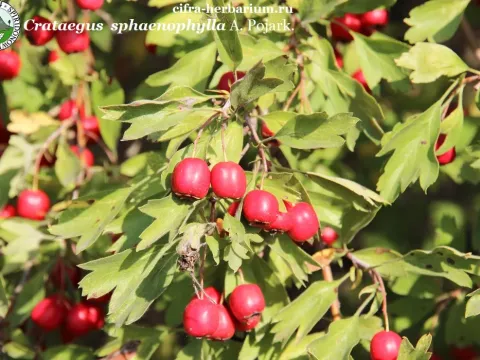
Wedge-leaf hawthorn
Crataegus sphaenophylla
Wedge-leaf hawthorn (Crataegus sphaenophylla) is a significant woody species belonging to the Rosaceae family. Known for its distinct foliage and resilient growth habit, this plant is increasingly recognized for both medicinal and ornamental applications in agriculture.
What the section contains
Wedge-leaf hawthorn
The species thrives in full sun, which is essential for stimulating flower production and ensuring healthy fruit set. While tolerant of diverse soil types, it performs best in well-drained, nutrient-rich loamy soils with a neutral pH level, avoiding areas with standing water.
Cold hardiness is a major advantage of this cultivar, allowing for successful cultivation in various temperate climate zones. It exhibits excellent resistance to urban pollution, making it an ideal candidate for windbreaks or protective hedges around agricultural fields.
Agronomic management involves periodic pruning, which is crucial for maintaining a productive structure and facilitating air circulation throughout the canopy. This practice significantly reduces the microclimatic conditions that favor the development of fungal pathogens.
Moderate irrigation is recommended during the initial growth phase, though mature specimens show remarkable drought tolerance. Fertilization should be focused on the early spring period to support vigorous shoot development and long-term vitality of the shrub.
The primary diseases affecting wedge-leaf hawthorn include powdery mildew and other fungal infections typical of the Rosaceae family. Effective management strategies involve proper plant spacing and the removal of infected debris during the dormant season.
Insect pests such as aphids, mites, and leaf miners can occasionally infest the foliage, reducing the photosynthetic efficiency of the plant. Integrated pest management, focusing on biological controls, is the preferred approach for maintaining plantation health.
Fire blight is a significant concern for hawthorn species, necessitating strict hygiene protocols for pruning tools to prevent cross-contamination. Any infected tissue must be pruned back to healthy wood and immediately destroyed to prevent spread.
Root rot, often caused by inadequate soil drainage, remains a constant threat in high-rainfall areas. Establishing a robust drainage system before planting is a critical preventive measure for ensuring the longevity of the hawthorn stand.
By implementing a proactive monitoring program and adhering to strict sanitary standards, growers can effectively protect their crop and ensure a consistent yield for commercial processing or medicinal use.