
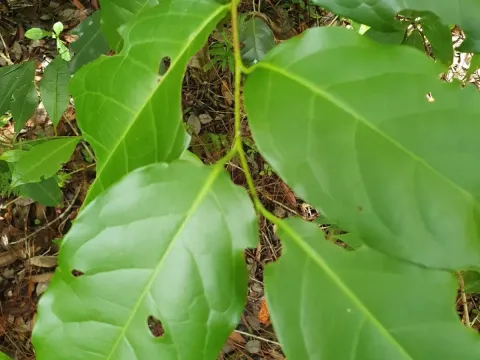
West Indian plum
Prunus occidentalis
The West Indian plum (Prunus occidentalis) is a tropical fruit tree belonging to the Rosaceae family. Unlike temperate plum species, this plant is native to the Caribbean and northern South America, thriving exclusively in tropical environments with consistent warmth and high humidity.
What the section contains
West Indian plum
The climate requirements for this species are strict; it demands a frost-free environment and significant annual rainfall. It is not suitable for cultivation in regions with cold winters, as the tree lacks the physiological mechanisms to undergo dormancy during frost periods.
Soil requirements involve deep, fertile, and well-drained substrates. Because the root system is sensitive to prolonged waterlogging, planting sites must be selected in well-aerated soils. Organic amendments are highly beneficial to sustain the tree's vigor throughout its productive lifespan.
Botanically, Prunus occidentalis features evergreen-like foliage adapted to high light intensity. The tree can reach substantial heights, forming a broad canopy. Its reproductive cycle is often triggered by changes in precipitation patterns, which are typical of its native tropical zones.
Economically, the fruit is utilized primarily in local markets for its flavor profile, and the wood is valued for its density and durability. It serves as a locally important species for subsistence and specialized horticultural practices within its natural geographic range.
Pathogen pressure is high in tropical climates, where the West Indian plum is susceptible to various fungal infections such as leaf spots and root rots. Excessive humidity often exacerbates these conditions, requiring constant monitoring of the plant canopy.
Pest management is focused on tropical insect groups including fruit flies and scale insects. These pests can significantly damage fruit quality and impair the overall health of the tree by weakening its structure and making it more prone to secondary infections.
Cultural control measures, such as proper canopy management and pruning, are essential to ensure adequate airflow. This simple practice significantly reduces the micro-environmental humidity that favors the development of fungal spores on the leaves.
Integrated pest management (IPM) techniques are recommended to maintain the ecological balance of the plantation. Utilizing organic controls helps manage pest populations without disrupting the beneficial insect life that plays a role in pollinating the trees.
Regular inspection of the bark and main branches is critical to identify early signs of boring insects or structural damage. Proactive maintenance and rapid response to localized outbreaks remain the cornerstones of successful cultivation for this unique tropical species.