
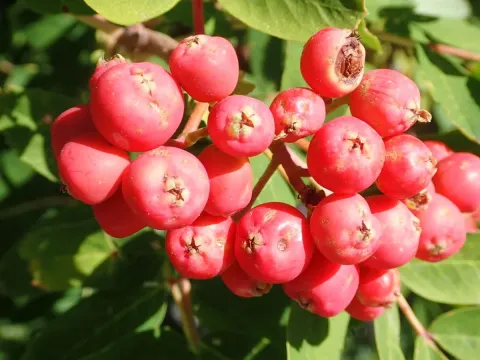
Western mountain ash
Sorbus occidentalis
Western mountain ash (Sorbus occidentalis) is a species of tree or shrub that belongs to the Rosaceae family. It is native to the western regions of North America, where it thrives in diverse mountain and forest habitats.
What the section contains
Western mountain ash
The plant performs best in soils that are well-drained and slightly acidic to neutral. It does not tolerate waterlogged conditions, so selecting an appropriate site with good soil structure is vital for healthy root system development.
Climate-wise, this species is well-adapted to cooler temperate zones. It requires a clear distinction between the seasons, particularly a cool dormant period during the winter, to initiate vigorous flowering and fruiting in the following spring.
Agricultural management includes ensuring adequate spacing between trees to promote airflow and light penetration throughout the canopy. This practice is essential for maintaining tree vigor and reducing the risk of fungal infections.
The fruit of the Western mountain ash is widely recognized for its ecological value, providing a food source for birds and wildlife. In human use, the fruits can be processed for syrups, preserves, and traditional beverages due to their nutritional profile.
The most significant pathological threat to Western mountain ash is fire blight, caused by the bacterium Erwinia amylovora. This condition can rapidly affect branches and stems, requiring immediate pruning and disposal of infected material.
Fungal leaf spot diseases are also common during particularly wet growing seasons. These diseases can lead to premature defoliation, which negatively impacts the tree's energy storage and overall growth performance.
Common insect pests include scale insects and aphids, which feed on the sap of young branches and leaves. Managing these pests often involves systemic insecticides or horticultural oils applied during the dormant season.
Environmental stress, such as prolonged drought, can weaken the tree and make it more susceptible to boring insects. Regular irrigation during dry spells is recommended to bolster the tree's natural defense mechanisms.
Proper orchard or garden sanitation is crucial for long-term health. Clearing away leaf litter and debris helps disrupt the life cycles of many pathogens, ensuring the tree remains robust and productive over its lifespan.