
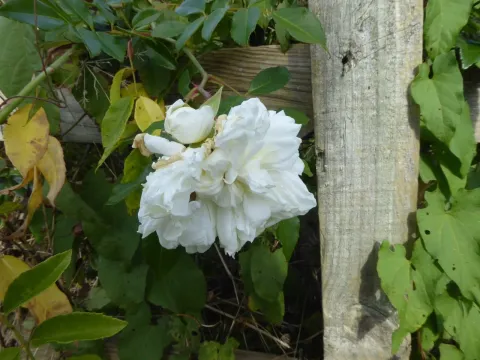
White Rose
Rosa alba
The White Rose (Rosa alba) is a perennial shrub belonging to the Rosaceae family. It is a robust, natural hybrid recognized for its hardiness, disease resistance, and exceptionally fragrant white blossoms.
What the section contains
White Rose
Successful cultivation requires full sun exposure to semi-shade and fertile, well-draining soil with a neutral to slightly acidic pH level. Good aeration around the plant is essential to prevent fungal moisture buildup.
The plant demonstrates excellent cold tolerance, making it suitable for temperate climates where other rose species might suffer winter damage. It requires sufficient moisture during the active growth phase.
Agricultural management involves deep watering during drought, mulching to retain soil moisture, and balanced fertilization twice per season. Pruning should be performed after the first major flowering cycle.
Commercially, Rosa alba is highly valued in the perfume and pharmaceutical industries for its essential oil content. It also serves as an iconic landscape shrub in public and private gardens worldwide.
Common plant diseases include powdery mildew and black spot, which often thrive in humid conditions. Managing air circulation is the primary cultural defense against these fungal pathogens.
Pests such as aphids, spider mites, and rose slugs are common threats. Integrated pest management, involving neem oil or biological predators, is generally preferred over heavy chemical usage.
Harvesting petals for extraction or herbal use must occur early in the morning. This is when the essential oil content is at its peak and the blossoms are most vibrant before the midday sun exposure.
Post-harvest handling is critical; petals must be spread thinly in a cool, dark room to dry, or distilled immediately. Proper handling ensures that the delicate floral compounds do not degrade during the processing stage.