
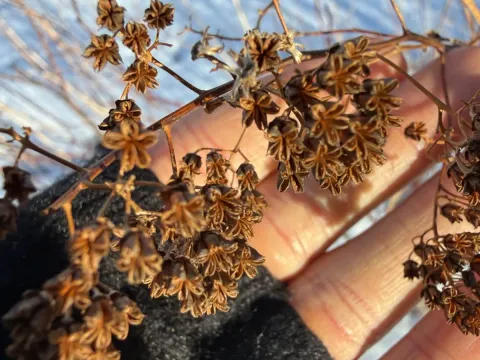
White meadowsweet
Spiraea alba
White meadowsweet (Spiraea alba) is a deciduous shrub belonging to the Rosaceae family. Native to North America, it is widely recognized for its adaptability to various wetland habitats and open meadows, making it a robust ornamental choice.
What the section contains
White meadowsweet
The plant thrives in full sun but can tolerate partial shade, provided it has access to consistent moisture. It performs best in nutrient-rich, well-draining loamy soils, although it shows remarkable tolerance to different soil types.
Agricultural practices for this species focus on routine maintenance, including moderate fertilization in early spring to encourage vigorous growth. Proper spacing between individual plants is essential to ensure adequate airflow and prevent moisture accumulation.
Pruning is a fundamental part of the care cycle; it should be performed annually in late winter or early spring. Removing dead or diseased branches helps maintain the shrub's shape and promotes the development of fresh flower buds on new growth.
Due to its hardiness and aesthetic appeal, Spiraea alba is frequently used in conservation landscaping, naturalistic gardens, and as a border shrub. Its dense structure makes it an excellent plant for erosion control on slopes.
Common pests affecting Spiraea alba include aphids and spider mites, which typically colonize the underside of leaves. Early detection is key, as these pests can cause significant leaf yellowing and reduced vigor.
Powdery mildew is a prevalent fungal issue characterized by a white, dusty growth on the foliage. It often occurs during humid weather conditions and requires prompt treatment with systemic fungicides to prevent further spread.
Leaf spot diseases, caused by various fungal pathogens, may occur in poorly ventilated areas. Maintaining plant health through proper pruning and clearing debris helps reduce the likelihood of such infections.
Root rot can be a concern if the soil remains waterlogged for extended periods. Ensuring proper drainage at the time of planting is the most effective preventative measure against these soil-borne threats.
General integrated pest management involves monitoring the shrub throughout the growing season and applying horticultural oils or soaps as a low-impact solution for managing insect infestations.