
Watson's spirea
Spiraea watsoniana
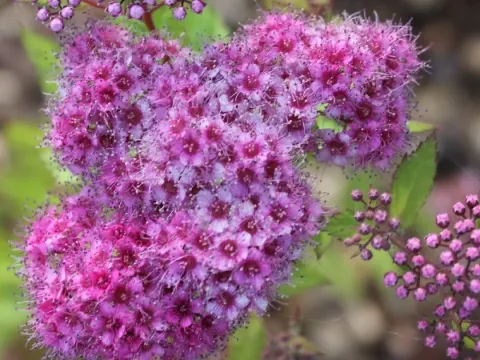
Watson's spirea (Spiraea watsoniana) is a deciduous ornamental shrub belonging to the Rosaceae family. This hybrid variety is widely recognized in professional landscaping for its aesthetic appeal, forming dense, arching stems that become covered in beautiful clusters of flowers during the growing season.
What the section contains
Watson's spirea
The plant thrives in full sun, which is essential for ensuring robust stem structure and profuse blooming. While it can adapt to partial shade, prolonged exposure to dark areas may lead to a spindly growth habit and reduced flowering capacity. Proper spacing is crucial to ensure adequate airflow around the shrub.
Regarding soil, Watson's spirea is versatile but performs best in well-drained, fertile loams. It does not tolerate waterlogged soil, which can lead to root rot. If the native soil is heavy clay, amending it with organic matter and installing drainage is highly recommended to promote long-term plant health.
Climatically, this species is well-suited for temperate zones. It displays moderate to high cold hardiness, although younger plants may require protective mulching during harsh winters. Regular irrigation is needed during establishment and throughout dry spells to maintain consistent soil moisture.
Maintenance involves annual pruning, typically performed after the flowering phase. Removing old, woody stems encourages the growth of fresh shoots, keeping the plant rejuvenated and full. Light fertilization with a balanced, slow-release fertilizer in early spring can further support vigorous development.
Watson's spirea can be susceptible to common pests such as aphids, spider mites, and scale insects. These pests often congregate on tender new growth. Early intervention using horticultural oils or systemic insecticides is effective in maintaining plant vitality and protecting leaf health.
Fungal issues, particularly powdery mildew, may occur during seasons characterized by high humidity and stagnant air. Management strategies include ensuring proper spacing to allow for airflow, avoiding overhead watering, and removing any foliage that shows signs of fungal infection to prevent spread.