
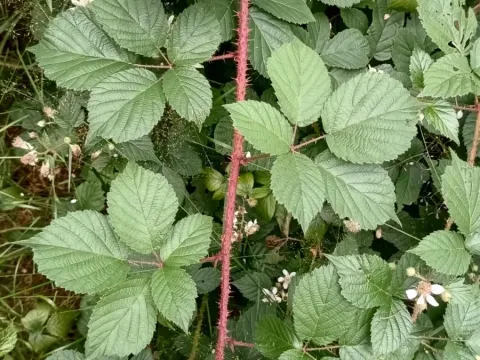
Koehler's blackberry
Rubus koehleri
Koehler's blackberry (Rubus koehleri) is a perennial shrub belonging to the Rosaceae family. It is a distinct species native to European woodlands and shrubby landscapes, often found in hedgerows and forest edges.
What the section contains
Koehler's blackberry
The plant thrives in temperate climates with consistent moisture. It shows a preference for well-drained, fertile soil, though it can tolerate a variety of soil types ranging from loamy to slightly sandy textures.
Regarding light requirements, this species is semi-shade tolerant. It naturally occupies habitats where dappled sunlight reaches the forest floor, allowing it to grow successfully beneath canopy structures.
Cultural management involves managing the cane density to encourage vigorous growth. Regular pruning of old, non-productive canes is essential to maintain plant health and prevent the accumulation of dead wood.
Soil nutrient status should be monitored, as the plant benefits from a mulch of organic matter that retains moisture without causing saturation, which is detrimental to the fine root system of the blackberry.
Koehler's blackberry is susceptible to standard bramble pathogens, including various rust fungi and Botrytis (gray mold). High humidity levels, combined with poor air circulation, significantly increase the risk of these infections.
Insect pests, such as the raspberry beetle and various species of mites, can infest the foliage and developing fruits, leading to stunted growth or reduced fruit quality during the harvest period.
Preventative measures are the primary strategy for maintaining healthy plants. This includes removing infected canes promptly and ensuring that the shrub is not crowded by invasive weeds or other vegetation.
Chemical control should be considered as a last resort, prioritizing organic fungicides and biological control agents to manage pest populations without harming beneficial pollinators in the ecosystem.
Consistent observation of the leaves and stems throughout the spring and summer is recommended to detect any early signs of disease, ensuring that mitigation efforts are timely and targeted.