
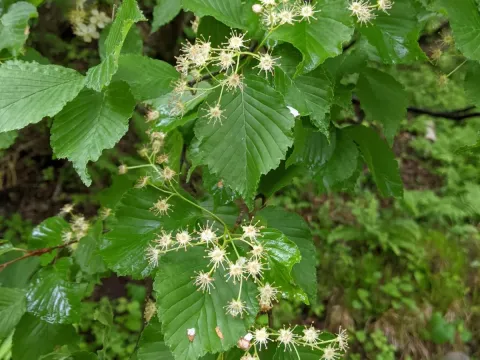
Korean mountain ash
Sorbus alnifolia
The Korean mountain ash (Sorbus alnifolia) is a deciduous tree belonging to the Rosaceae family. Native to East Asia, including regions of Japan, Korea, and China, this tree is highly valued for its elegant shape and vibrant autumn foliage.
What the section contains
Korean mountain ash
This species thrives in fertile, moist, and well-draining soils. It is particularly well-suited to loamy textures with a slightly acidic to neutral pH level. Proper drainage is essential, as the roots are sensitive to prolonged periods of waterlogging.
For optimal growth, the Korean mountain ash should be planted in a location that receives full sun or partial shade. While it is tolerant of various environmental conditions, full exposure to sunlight generally enhances the density of its foliage and the quality of its autumnal color change.
The tree exhibits excellent cold hardiness, making it suitable for a wide range of temperate climates. Maintenance involves regular watering, especially during dry spells, and mulching the root zone to conserve moisture and suppress competing weeds.
In terms of landscaping utility, it is frequently used as a specimen tree or in group plantings. Its ability to withstand urban conditions, including air pollution, makes it a reliable choice for parks, gardens, and street landscaping projects.
Like many members of the Rosaceae family, the Korean mountain ash can be susceptible to common fungal diseases such as powdery mildew or leaf spot. These issues are more prevalent in environments with high humidity and poor air circulation.
Pests such as aphids and leaf-eating caterpillars may occasionally infest the tree. If significant damage is observed, applying appropriate biological control methods or selective insecticides can effectively manage the pest populations and preserve the tree's appearance.
Preventative measures are critical for maintaining health. Ensuring proper spacing between trees during planting and avoiding overcrowding helps improve airflow, which significantly reduces the risk of developing fungal infections throughout the growing season.
Late winter or early spring is the best time for pruning, which should focus on removing dead, damaged, or crossing branches. This practice encourages strong structural growth and helps keep the canopy healthy and free of disease-prone debris.
Regular monitoring of the bark and leaves is recommended for early detection of potential stress indicators. Maintaining tree vigor through balanced fertilization and proper moisture management is the most effective way to prevent long-term damage from common pests and pathogens.