
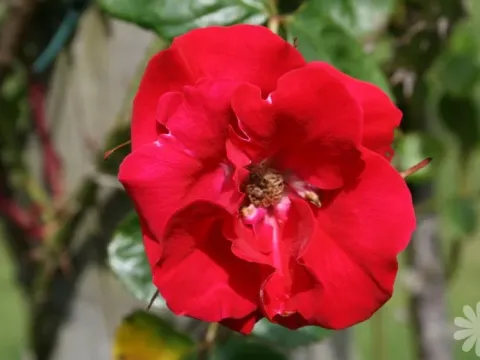
Kordes rose
Rosa kordesii
The Kordes rose (Rosa kordesii) is a distinct group of hybrid roses derived from the crossing of Rosa rugosa and Rosa wichurana. As a member of the Rosaceae family, this perennial shrub is highly regarded in horticulture for its exceptional vigor, disease resistance, and cold-hardy nature, making it a reliable choice for various landscapes.
What the section contains
Kordes rose
Botanically, these roses are characterized by their strong, flexible canes and thick, leathery, often glossy foliage. Their growth habit can range from arching shrubs to climbing forms, displaying a robust root system that helps the plant establish quickly in diverse soil types. This structural strength allows them to thrive where many other roses fail.
In terms of site requirements, Kordes roses thrive in sunny locations with well-draining, fertile soil. While they are adaptable to various pH levels, they prefer slightly acidic to neutral soil. Proper soil preparation, including the incorporation of compost or well-rotted manure, provides the necessary nutrients for sustained growth and continuous flowering throughout the season.
Climatic requirements are minimal compared to more sensitive rose varieties. These hybrids are renowned for their winter hardiness, often surviving harsh winters with little to no protection in temperate zones. However, providing a layer of mulch around the base in colder regions serves as an excellent measure to prevent deep soil freezing and root damage.
Standard agrotechnical practices for Kordes roses include annual spring pruning to remove dead or diseased wood and to encourage new growth. Regular deadheading of spent blooms is also recommended to direct the plant's energy towards producing new flowers and strengthening the overall structure of the shrub for the coming seasons.
While known for their strong disease resistance, particularly to black spot and mildew, Kordes roses can still be affected under high-humidity conditions. Ensuring proper spacing during planting is the most effective cultural method to maintain dry foliage and prevent the development of common fungal infections.
Insects like aphids and spider mites can occasionally cause issues, particularly during dry, hot weather. Regular inspection of the undersides of leaves is advised. If a pest outbreak occurs, implementing integrated pest management strategies, such as using natural predators or targeted horticultural oils, can effectively mitigate damage without harming the environment.