
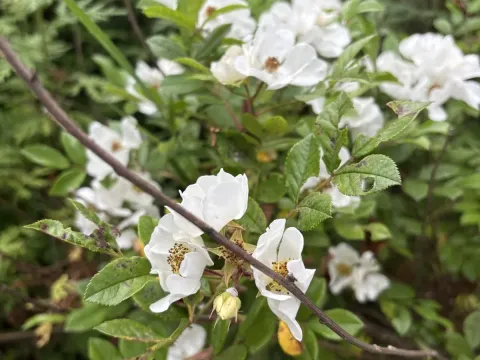
Rosa maximowicziana
Rosa maximowicziana
Rosa maximowicziana is a member of the Rosaceae family, naturally occurring in the regions of East Asia, including Korea and China. This species is highly valued for its vigorous growth habit, making it an excellent candidate for large-scale landscaping and decorative purposes.
What the section contains
Rosa maximowicziana
Botanically, the plant is characterized by its long, arching stems and attractive foliage, which remains vibrant throughout the growing season. The plant produces delicate flowers that contribute to its aesthetic appeal, often serving as a focal point in naturalistic garden designs.
Regarding its environmental requirements, this species thrives in well-drained, fertile soils with a neutral or slightly acidic pH level. It favors sunny locations with plenty of space for air circulation, which is crucial for maintaining the health of its dense, sprawling canopy.
Climatically, it is adapted to temperate conditions, showing a good level of hardiness. While it prefers consistent moisture, it is important to avoid waterlogged soil conditions to prevent root stress. Mulching the base of the plant helps retain soil moisture and suppresses weeds.
In practice, Rosa maximowicziana is often utilized in ornamental horticulture and occasionally as a robust rootstock. Its resilience to various soil types and moderate growth rate make it a reliable choice for gardeners looking for low-maintenance shrub solutions.
Common diseases affecting this rose species include black spot and powdery mildew. These fungal pathogens typically flourish in conditions with high humidity and stagnant air, making proper pruning and spacing essential strategies for preventative management.
Insect pests, specifically aphids, spider mites, and rose leafrollers, are the most frequent threats. These pests can damage new growth and buds, which negatively impacts the flowering potential of the shrub and overall vigor if left unmanaged during the early spring.
Integrated Pest Management (IPM) is the most effective approach, involving a combination of physical inspections, cultural practices, and, when necessary, targeted insecticide applications. Promoting biodiversity in the garden helps maintain a balance with beneficial predators.
Sanitation plays a vital role in disease control. Collecting and disposing of fallen leaves at the end of the season prevents overwintering spores from re-infecting the plant when temperatures rise in the following spring, thus ensuring a cleaner growing environment.
A balanced fertilization program, rich in potassium and phosphorus, strengthens the plant's internal structure and natural resistance to external pathogens. Healthy plants are far more likely to withstand minor infestations without the need for intensive chemical intervention.