
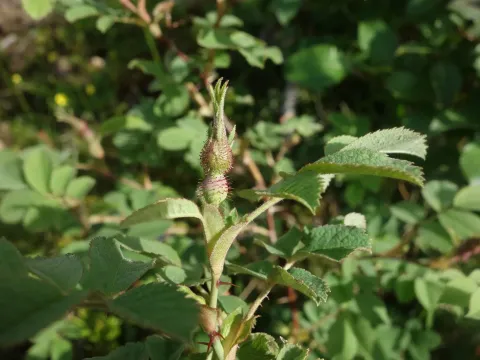
Soft rose
Rosa mollis
Rosa mollis, commonly known as the soft rose, is a deciduous shrub belonging to the Rosaceae family. It is native to various European regions, typically found in mountainous habitats where the climate is cool and temperate.
What the section contains
Soft rose
Botanically, the plant is characterized by its distinctively pubescent leaves, which are soft to the touch, and its stems covered in slender, straight prickles. It reaches a height of up to 1.5 meters, forming a dense and attractive shrub structure.
This crop thrives in well-drained, nutrient-rich soils with a slightly acidic to neutral pH. It is highly valued for its cold hardiness, making it an excellent candidate for cultivation in regions with harsh winters where other, more tender rose species might struggle.
Agricultural success depends on providing ample sunlight and adequate spacing between plants to ensure good airflow. While the soft rose is relatively drought-tolerant once established, regular irrigation during the growing season significantly improves vegetative vigor and fruit yield.
The plant has diverse uses, ranging from ornamental landscaping, where it is used to create robust hedges, to its harvestable benefits as a source of vitamin-rich hips used in various food and medicinal applications.
The soft rose faces common challenges from fungal diseases, most notably powdery mildew. This pathogen is particularly prevalent in humid environments with poor air circulation, necessitating strategic pruning to open up the canopy.
Rust is another concern that can affect the foliage of Rosa mollis. It manifests as orange-colored spore masses, which can weaken the plant if left unchecked, requiring immediate sanitary action and, if necessary, fungicide application.
Pest management focuses primarily on aphids, which target the tender new growth and developing buds. Infestations can result in stunted growth and a reduction in the overall ornamental value of the shrub.
The rose sawfly is also a significant pest, as its larvae can cause extensive defoliation if populations are not managed. Integrated pest management, including natural predators and selective insecticide use, is recommended for sustainable control.
To maintain high productivity, growers should practice regular sanitation, such as removing fallen leaves and dead wood, which serves as a reservoir for spores and hibernating insects throughout the dormant winter months.