
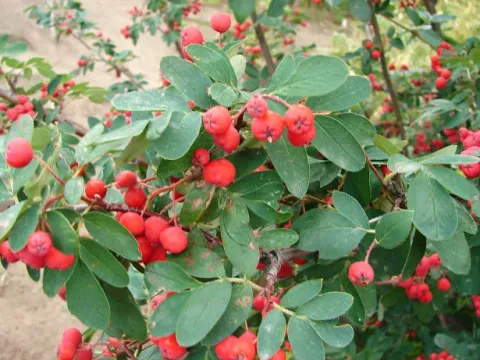
Sorbocotoneaster
Sorbocotoneaster
Propagation of Sorbocotoneaster is typically achieved through vegetative methods, as seeds of this intergeneric hybrid often exhibit low viability. Cuttings are the most reliable way to reproduce the plant, ensuring the genetic traits of the hybrid are preserved.
What the section contains

Sorbocotoneaster
The best time to plant is during the dormant season, either in early spring before bud break or in late autumn. This timing allows the root system to establish itself before the onset of extreme weather conditions.
When propagating via cuttings, semi-hardwood stems should be selected in mid-summer. Treating the base of the cuttings with rooting hormones can significantly increase the success rate of establishment.
Grafting onto a compatible rootstock like common rowan is another common practice. This technique often results in a more vigorous plant that reaches its ornamental potential more quickly than own-root specimens.
Proper site preparation is essential. The planting hole should be spacious enough to accommodate the root ball, filled with a mixture of native soil and well-rotted organic matter for early nutrient support.
Sorbocotoneaster is a deciduous shrub resulting from the cross-breeding of Sorbus (rowan) and Cotoneaster. It is prized by landscape architects for its unique habit and architectural beauty in garden settings.
This hybrid is exceptionally winter-hardy, capable of surviving harsh climates that might damage other ornamental shrubs. Its resilience makes it an excellent choice for northern temperate zones.
The plant thrives in full sun but can tolerate partial shade. Adequate exposure to sunlight is crucial for the development of its characteristic dense foliage and vibrant fall color changes.
It prefers well-drained, fertile soil. While it is relatively adaptable to different soil types, it performs best when the substrate provides consistent moisture without becoming waterlogged, which can harm the roots.
Maintenance involves minimal irrigation after the plant has matured. During the first two years of growth, regular watering is necessary to support the expansion of the root system and ensure healthy canopy development.
Aphids can occasionally infest the growing tips of the shrub, leading to leaf curling. Regular inspection during the spring months allows for early intervention using horticultural soaps or neem oil.
Fungal issues such as powdery mildew may occur if air circulation around the shrub is restricted. Proper pruning to maintain an open canopy structure is the best preventative measure against such diseases.
Sanitation practices, such as removing fallen leaves at the end of the season, are essential. This reduces the inoculum pressure of pathogens that may overwinter near the base of the plant.
Root rot is a potential risk in poorly drained sites. Ensuring that the soil is properly aerated and avoiding deep planting are critical factors in maintaining long-term shrub health.
In cases of significant infestation or disease, systemic fungicides or insecticides may be necessary. Always apply these products according to the manufacturer's instructions, ensuring minimal impact on local pollinators.