
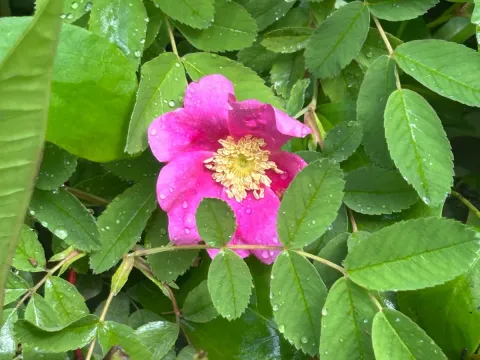
Smooth rose
Rosa blanda
The smooth rose, scientifically known as Rosa blanda, is a perennial deciduous shrub belonging to the Rosaceae family. Native to North America, this species is well-adapted to cooler temperate climates and is often found growing in meadows, along riversides, and in rocky open woodlands.
What the section contains
Smooth rose
The plant is distinguished by its relatively smooth stems, which have few or no thorns, particularly on older wood. It is a hardy species capable of surviving severe winters, making it an excellent choice for low-maintenance landscapes where other rose varieties might fail.
For successful cultivation, Rosa blanda requires full sun exposure to maintain vigorous growth and abundant flowering. It thrives in well-drained, fertile soil ranging from loamy to sandy textures, and it possesses a good tolerance for varying soil pH levels.
Maintenance includes light pruning in the early spring to remove dead or diseased stems and to shape the shrub. Although it is drought-tolerant once established, providing supplemental water during prolonged dry spells will significantly improve the quality of the foliage and fruit set.
Its primary agricultural and ornamental uses include the stabilization of sloped banks, the establishment of naturalistic hedge barriers, and the harvesting of its hips for dietary and medicinal supplements due to their dense vitamin C concentration.
Rosa blanda is generally robust, but it can be susceptible to common fungal issues such as powdery mildew and black spot. These conditions are typically triggered by poor air circulation or extended periods of high humidity during the growing season.
Pests, particularly aphids, can occasionally infest the growing tips and developing flower buds, leading to stunted growth. Spider mites may also become an issue during hot, dry weather if the plant is not properly hydrated.
Cultural control remains the best defense, emphasizing proper spacing during planting to ensure adequate airflow throughout the canopy. Removing fallen leaves during autumn helps to interrupt the life cycles of most common pathogens.
Monitoring the undersides of leaves is essential for early detection of mite or aphid populations. Prompt action at the first signs of infestation can prevent the need for more intensive chemical treatments.
If chemical intervention is necessary, gardeners should utilize products labeled for use on ornamental roses and strictly adhere to the manufacturer's safety instructions to protect beneficial pollinators in the area.