
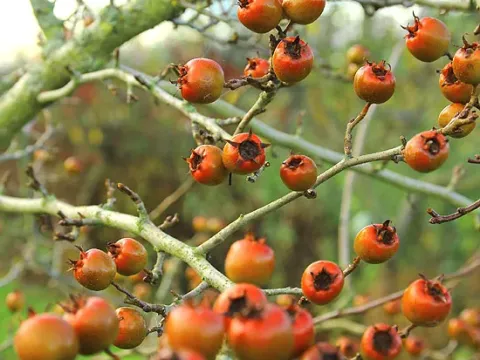
Snowdon medlar
Crataemespilus grandiflora
The Snowdon medlar is a distinctive intergeneric hybrid resulting from a cross between the hawthorn (Crataegus) and the medlar (Mespilus germanica). Belonging to the Rosaceae family, it is typically cultivated as an ornamental tree or large shrub noted for its graceful habit and large, attractive flowers.
What the section contains
Snowdon medlar
This species thrives in sunny locations with well-drained, fertile soil. While it shows some adaptability, it performs best in soils that are slightly acidic to neutral. Excessive waterlogging should be avoided, as it can lead to root system decay and poor plant vigor.
Cultural practices include establishing a proper watering regime during the first few growing seasons to ensure deep root development. Mulching the base of the plant is recommended to suppress weeds and maintain consistent soil moisture levels throughout the summer months.
Pruning should be performed during the dormant season to remove dead or diseased wood and to maintain a balanced canopy structure. Since the tree often has a natural spreading habit, light pruning helps encourage denser foliage and better light penetration throughout the branches.
In terms of usage, the Snowdon medlar is primarily valued in landscape design as a specimen tree. Its white, apple-like blossoms and textured foliage make it an excellent choice for ornamental gardens, providing seasonal interest that complements other flowering shrubs in the collection.
The plant is susceptible to several diseases common to the Rosaceae family, including fire blight and powdery mildew. These issues often arise during periods of high humidity or poor air circulation, which can stress the tree and reduce its ornamental value.
Pest pressures primarily include aphids and scale insects that feed on young sap and foliage. Regular monitoring is advised, especially during the early spring when new growth is most vulnerable to infestations by sucking insects.
Effective management strategies involve a combination of cultural practices, such as ensuring adequate spacing between plants to improve airflow and reduce fungal spore pressure. Sanitation, including the prompt removal of infected leaves or branches, is crucial for limiting the spread of pathogens.
Chemical intervention should be considered a secondary option, used only when cultural methods are insufficient to control severe pest outbreaks. Always select products labeled for use on flowering ornamental trees to ensure plant safety.
Maintaining tree vigor through balanced nutrient management and correct irrigation is the best defense against environmental stress, which often predisposes the tree to successful colonization by pests and pathogens.