
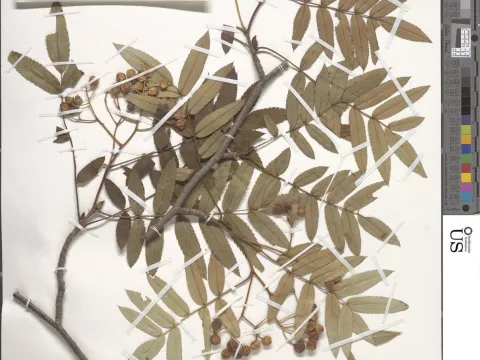
Sorbus discolor
Sorbus discolor
Sowing seeds of Sorbus discolor requires careful attention to the dormancy period, as the seeds benefit significantly from a prolonged cold stratification process.
What the section contains
Sorbus discolor
For best results, seeds should be sown in autumn to allow them to experience natural fluctuating temperatures during winter, which mimics their native environment.
If spring sowing is planned, seeds must be kept in a moist, cool environment (between 1 and 5 degrees Celsius) for at least three to four months before planting.
The seeds should be sown in a well-draining seed mix at a depth of approximately 1 to 2 centimeters to ensure they are adequately covered but not buried too deep.
Once seedlings emerge, they should be kept in a sheltered location with bright, indirect light until they are strong enough for transplanting into individual containers.
Sorbus discolor belongs to the Rosaceae family and is native to the northern regions of China, where it thrives in cool, temperate forest climates.
This species requires fertile, well-draining soil that is rich in organic matter and maintains a neutral to slightly acidic pH for optimal development.
It prefers full sun exposure to maintain its vigorous growth habit and to ensure the most vibrant autumn leaf color, although it can tolerate partial shade.
Proper air circulation is essential for this tree, so planting locations should be chosen to avoid stagnant air pockets that can lead to disease issues.
While hardy and capable of withstanding cold winters, the tree prefers protection from strong, desiccating winds that can damage its delicate foliage.
The primary use of Sorbus discolor is ornamental, valued for its unique cream-colored fruits and spectacular display of autumnal foliage colors.
It serves as an excellent specimen tree in landscaped gardens, parks, and arboretums where its seasonal changes provide visual interest throughout the year.
The fruits are a valuable food source for various bird species, making this tree an ideal choice for gardeners looking to support local biodiversity.
In addition to its aesthetic qualities, the wood of this species is known for its density and strength, although it is rarely used for industrial timber production.
Landscape designers often utilize this tree for its elegant, refined growth habit, which complements a variety of garden styles from formal to naturalistic.
Common health challenges for Sorbus discolor include fungal issues such as scab, powdery mildew, and leaf spot, especially in overly humid environments.
Pests such as aphids and leaf-rollers can affect the new growth; regular monitoring is necessary to prevent significant damage to the plant's health.
Root rot remains a potential risk if the soil does not provide adequate drainage, especially during periods of excessive or prolonged rainfall.
Good horticultural practice includes removing fallen leaves and debris around the base of the tree to reduce the risk of overwintering pathogens.
- Sanitary pruning of dead or diseased branches to promote overall tree vigor.
- Monitoring for early signs of pest infestation to allow for timely interventions.
- Applying balanced slow-release fertilizers to support healthy leaf and root development.