
Soft agrimony
Agrimonia pubescens
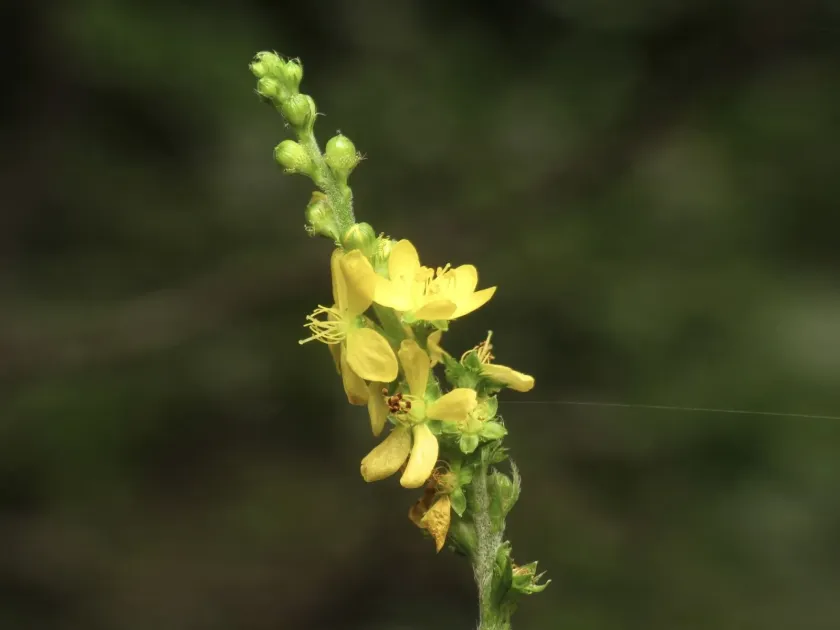
Description
Growing requirements
Soft agrimony (Agrimonia pubescens) is a perennial herbaceous plant belonging to the Rosaceae family. It originates primarily from North America, where it naturally inhabits open woodlands, limestone slopes, and areas with well-drained, fertile soil compositions.
The crop requires soils with a neutral to slightly alkaline pH to reach its maximum productivity. It thrives in locations that receive direct sunlight for most of the day, although it possesses a degree of tolerance to partial shading found in its native woodland habitats.
Optimal agro-techniques involve maintaining stable soil moisture levels during the early stages of vegetation. Since the plant has a deep-rooted structure, it is capable of extracting water from lower soil horizons once it is fully established in the field.
Cultivation practices must focus on proper seedbed preparation to ensure good germination rates. The plant responds positively to balanced fertilization, particularly with organic nitrogen sources that enhance the vegetative growth of the aerial parts used for industrial processing.
In terms of agricultural utility, Soft agrimony is highly valued as a medicinal herb. Its leaves and flowering stalks contain significant concentrations of bioactive compounds, making it a sustainable choice for medicinal plant production in temperate climates.
Main diseases and pests
The main threats to Agrimonia pubescens include fungal diseases such as powdery mildew, which thrive in environments with poor air circulation. Effective management requires maintaining adequate spacing between rows to promote rapid drying of foliage after irrigation or rainfall.
Pests such as aphids and leaf-eating beetles can occasionally affect the crop. Implementing systematic monitoring and utilizing environmentally friendly pest management techniques are essential to maintain the purity and quality of the medicinal plant harvest.