
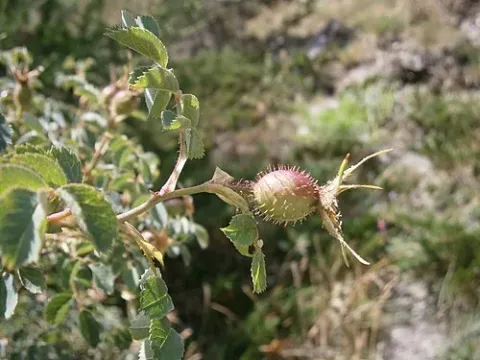
Fir-leaved rose
Rosa abietina
The planting of the fir-leaved rose (Rosa abietina) is ideally performed in early spring, once the danger of severe frost has passed and the soil begins to warm up. This timing ensures the plant establishes its root system before the onset of the summer heat.
What the section contains
Fir-leaved rose
For those opting for autumn planting, it is crucial to perform this task at least four weeks before the ground freezes. Proper mulching after planting is necessary to protect the young roots during their first winter.
Propagation via seeds requires a stratification process, mimicking winter conditions to break seed dormancy. Sowing in prepared nursery beds during the autumn allows nature to handle the stratification effectively.
Selecting a site with adequate sunlight is fundamental for this species. While it can tolerate partial shade, maximum flowering and optimal health are achieved in areas receiving at least six hours of direct sunlight per day.
Spacing between plants should be sufficient to allow for air circulation, which is vital for preventing moisture-related diseases. A distance of 1 to 1.5 meters is recommended for hedges and standalone ornamental plantings.
This rose species thrives in well-drained, fertile soil with a slightly acidic to neutral pH. Heavy clay soils should be amended with organic matter or compost to improve drainage and aeration.
Watering requirements are moderate; however, consistency is key. During the active growth and blooming phase, deep watering is preferred over frequent, shallow surface watering to encourage deep root penetration.
Fertilization regimes should focus on balanced nutrient application. Utilizing slow-release fertilizers in the spring provides a steady supply of essential macro and micronutrients throughout the growing season.
Pruning is an essential maintenance task for the fir-leaved rose. Removing dead wood and thinning out dense branches promotes better airflow and sunlight penetration, which are vital for healthy foliage.
Soil structure maintenance involves regular light cultivation of the top layer, combined with mulching. Organic mulch helps retain soil moisture, stabilizes temperature, and prevents the growth of competitive weeds.
Common botanical threats include fungal infections such as powdery mildew and black spot. These thrive in humid, stagnant air conditions and can cause premature defoliation if left unchecked.
Insect pests like aphids, spider mites, and leaf-cutting insects can cause aesthetic and physiological damage. Early detection through regular monitoring is the most effective strategy for mitigation.
Integrated Pest Management (IPM) practices, including the use of horticultural oils or insecticidal soaps, are recommended for organic-focused cultivation, providing protection while minimizing impact on local beneficial insects.
Sanitation in the garden is a primary defense. Removing and destroying fallen leaves or infected plant material reduces the overwintering population of pathogens and pests for the following season.
Providing optimal environmental conditions—namely sunlight, air circulation, and balanced nutrition—builds the plant's natural resistance, making it significantly less susceptible to common agricultural and garden threats.