
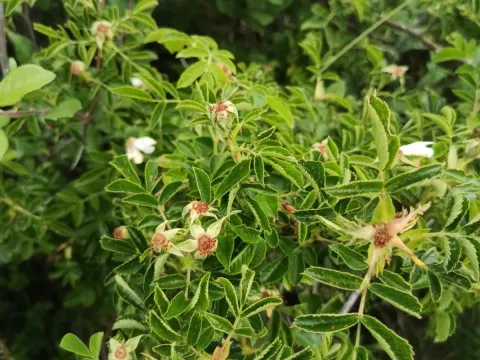
Field rose
Rosa agrestis
The field rose (Rosa agrestis) is a perennial shrub belonging to the Rosaceae family. It is a robust species known for its dense branching habit and distinct hooked prickles, which contribute to its resilience in various ecological niches across its native European range.
What the section contains
Field rose
This species is well-adapted to diverse habitats, frequently appearing in hedgerows, forest margins, and scrublands. It thrives in sunny locations with adequate exposure, which is essential for the healthy physiological development of the plant and the subsequent yield of fruit.
In terms of soil, the field rose prefers well-drained, neutral to alkaline substrates. Its ability to colonize limestone-rich soils makes it an excellent candidate for landscape restoration and protecting marginal lands where nutrient-demanding crops might struggle.
Cultivation practices for this species focus on pruning to maintain plant vigor and encourage consistent flowering. Proper maintenance of the canopy not only improves plant health but also facilitates easier harvesting of the hips, which are the primary economic focus of the plant.
Beyond its agricultural utility, the field rose is highly valued for its role in biodiversity. It provides essential shelter and food for local fauna, making it an ideal choice for agroforestry projects aiming to enhance the ecosystem services provided to the surrounding farmland.
Like many species in the genus Rosa, the field rose is susceptible to fungal infections such as powdery mildew and black spot. These diseases are particularly prevalent during seasons with high humidity, requiring strategic placement to ensure adequate airflow.
Common pests affecting this crop include aphids and various types of leaf-rolling moths. If left unchecked, these pests can damage buds and foliage, significantly impacting the growth cycle of the plant. Monitoring and early intervention are key to maintaining a healthy field rose plantation.