
Fissured Lady's Mantle
Alchemilla fissa
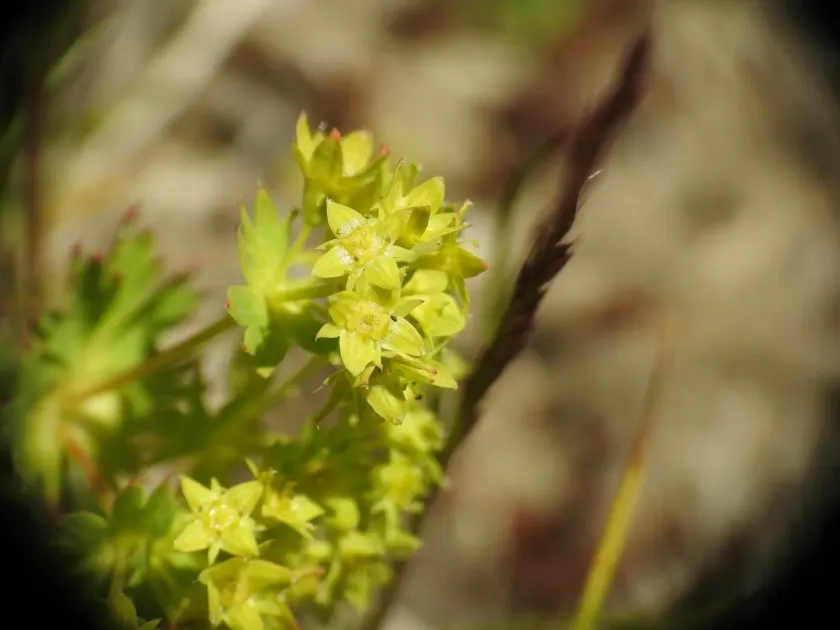
Description
Sowing dates
Alchemilla fissa is a perennial herb belonging to the Rosaceae family, known for its distinct foliage and resilient growth habit in temperate climates.
Propagation is primarily achieved through seeds which require cold stratification to break dormancy, making autumn sowing a preferred method for farmers.
When spring sowing is necessary, seeds must be kept in chilled conditions for several weeks to ensure successful germination and seedling vigor.
Vegetative propagation via crown division is the most reliable method for maintaining consistency, typically performed in the early spring or autumn months.
Proper spacing of 30 to 40 centimeters is required to allow the rosettes to fully expand and to prevent overcrowding that may lead to physiological stress.
Growing requirements
This crop thrives in fertile, well-draining soils that remain consistently moist throughout the growing season, promoting optimal biomass production.
While tolerant of various light conditions, the plant displays the best foliage development when placed in partial shade to avoid midday heat stress.
The agronomic management includes seasonal weeding and the application of balanced organic fertilizers to maintain soil nutrient levels for sustained growth.
Water management is critical; while the crop requires moisture, excessive waterlogging must be avoided to prevent root rot in heavier soil types.
Its natural hardiness makes it an ideal candidate for low-maintenance cultivation in diverse environments, needing little intervention once established.
Main diseases and pests
Powdery mildew is the most prevalent fungal disease, particularly in humid or stagnant air conditions where ventilation is inadequate for the crop.
Gastropods such as slugs and snails are common pests that feed on the soft, young leaves, potentially causing cosmetic and structural damage.
Cultural control measures, such as spacing plants to improve airflow and keeping the base of the plants clear, are effective in minimizing disease incidence.
Integrated pest management strategies should be employed if infections reach a threshold that threatens the overall aesthetic and plant health.
Routine monitoring of the foliage allows for early identification of pests, enabling targeted interventions that minimize the need for chemical applications.