
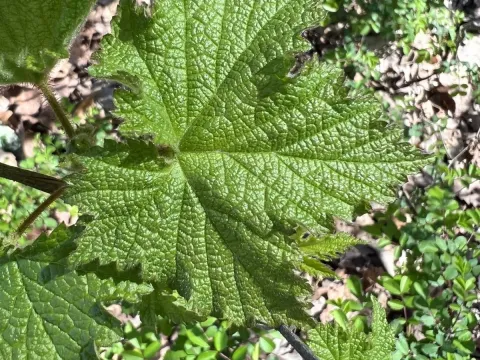
Flowering raspberry
Rubus odoratus
Flowering raspberry (Rubus odoratus) is a deciduous shrub species within the Rosaceae family. Unlike common raspberry cultivars grown for fruit, this plant is primarily cultivated for its striking, maple-like leaves and fragrant, large pink-purple flowers that bloom throughout the summer.
What the section contains
Flowering raspberry
Native to North America, the species thrives in moist, woodland environments. In an agricultural and horticultural context, it is best suited for shaded or semi-shaded garden areas where it can provide excellent ground cover or an informal hedge.
The plant prefers fertile, well-draining soils with a slightly acidic to neutral profile. While it is adaptable to various soil types, providing organic matter such as compost during planting will significantly boost its vigor and the intensity of its annual floral display.
Agricultural practices include consistent irrigation during dry spells to prevent premature leaf wilting. As a vigorous grower, it produces numerous suckers, and gardeners should define clear boundaries or use root barriers if they wish to restrict its spread in smaller landscape designs.
Pruning is an essential maintenance task to ensure the plant's health and aesthetic appeal. Removing dead or crossing branches in early spring allows the plant to focus its energy on producing new, healthy growth that will provide more abundant blossoms during the season.
The primary use of Rubus odoratus is in ornamental landscaping and environmental restoration. It serves as an effective erosion control plant on slopes due to its extensive and dense root system, which helps stabilize the soil structure.
Although it produces edible fruit, the harvest is generally of low commercial or culinary interest. However, the berries are highly attractive to local bird populations, making the plant a valuable addition to naturalistic or wildlife-friendly garden designs.
Common diseases affecting this plant include powdery mildew and various leaf spot fungi, often exacerbated by poor air circulation and high humidity. Proper spacing between individual plants is the most effective preventative measure against these fungal issues.
Insects such as aphids and leaf-eating beetles can occasionally colonize the foliage. Integrated pest management strategies, focusing on physical removal or biological controls, are recommended to maintain the plant's health without disrupting the local beneficial insect population.