
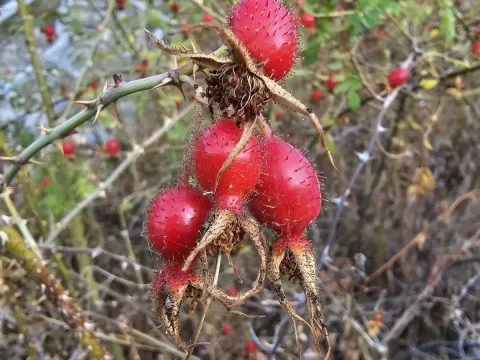
Fedtschenko Rose
Rosa fedtschenkoana
The Fedtschenko Rose (Rosa fedtschenkoana) is a perennial deciduous shrub belonging to the Rosaceae family. It is recognized for its pale, almost white flowers and grey-green foliage, often used in botanical studies and hybridization programs.
What the section contains
Fedtschenko Rose
This species originates from the mountainous regions of Central Asia, specifically the Pamir-Alai and Tian Shan ranges. Its evolution in harsh, rocky, high-altitude environments has granted it exceptional tolerance to frost and extreme weather fluctuations.
For cultivation, the species requires well-drained soil, preferably of an alkaline or limestone nature. It is highly intolerant of waterlogged sites, which often lead to root rot and premature senescence of the entire shrub.
The plant demands full solar exposure to flourish. While it is hardy, its reproductive success and growth vigor are directly linked to the number of hours of direct sunlight it receives throughout the growing season.
In terms of agricultural management, minimal intervention is required once established. However, occasional pruning is necessary to manage its suckering habit and to remove deadwood, ensuring that the plant remains vigorous and aesthetically appealing.
Powdery mildew is the primary fungal threat to Rosa fedtschenkoana. It typically occurs in damp, stagnant air conditions, highlighting the importance of proper spacing and open site selection for successful plant health.
Aphid infestations can occur during the peak growth phase in spring, targeting tender new foliage. While rarely fatal, they can weaken the plant's vigor, necessitating the use of targeted biological control agents or insecticidal soaps.
Spider mites represent a risk in arid and hot summer conditions. Maintaining adequate soil moisture and encouraging local predator populations are the most sustainable ways to manage this pest effectively.
Rust diseases can occur if the plant is subjected to prolonged rainy periods combined with poor drainage. Sanitation practices, such as removing affected plant material, are essential for preventing the spread of spores.
Overall, the Fedtschenko Rose is remarkably robust. By focusing on preventative measures and ensuring that the environmental conditions match its native habitat, gardeners can avoid heavy dependence on chemical treatments.