
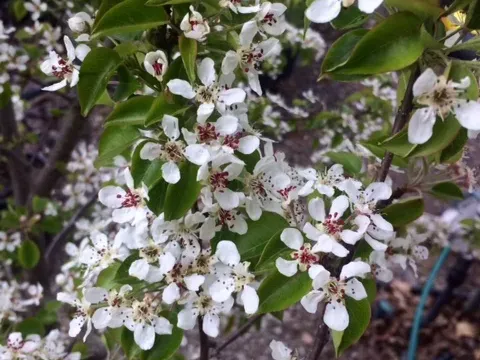
Faurie pear
Pyrus fauriei
Faurie pear (Pyrus fauriei) is a distinct species within the Rosaceae family, recognized primarily for its ornamental value rather than commercial fruit production due to its manageable size and aesthetic growth habit.
What the section contains
Faurie pear
The species originates from the mountainous regions of Korea, where it evolved to thrive in diverse microclimates, showing significant resilience to environmental stressors.
To ensure optimal development, the tree requires a site with full sunlight exposure and well-draining soil, ideally rich in organic matter and slightly acidic to neutral in reaction.
It displays remarkable hardiness, allowing it to adapt to various temperate climates, making it an excellent candidate for public parks and residential landscapes where space may be limited.
Cultivation practices include moderate watering during the establishment phase and regular mulching of the root zone to maintain soil moisture and temperature stability throughout the year.
Like many trees in the Pyrus genus, Faurie pear is potentially susceptible to fire blight (Erwinia amylovora), a destructive bacterial disease that necessitates vigilant monitoring and strict sanitary practices.
Fungal infections such as leaf spot and powdery mildew may occur during periods of high humidity and poor air circulation, impacting both the foliage health and the overall visual appeal of the tree.
Pests including aphids, mites, and leaf-mining insects can pose a threat to the tree’s vitality, particularly during the tender growth stages in early spring and summer.
Implementing a comprehensive pest and disease management plan is essential, which includes dormant oil sprays, timely pruning of infected wood, and the use of appropriate fungicides when necessary.
Maintaining good cultural practices, such as proper spacing to facilitate air movement and avoiding overhead irrigation, will significantly minimize the risk of pathogen colonization.