
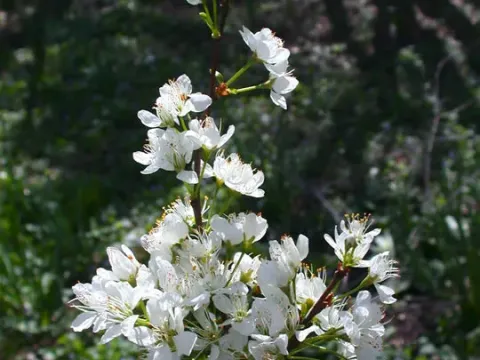
Canada plum
Prunus nigrella
Canada plum (Prunus nigra) is a deciduous tree belonging to the Rosaceae family. Native to North America, this species is widely recognized for its exceptional hardiness and ability to thrive in regions where other stone fruit species struggle to survive due to harsh winter climates.
What the section contains
Canada plum
The tree prefers well-drained, fertile soil and sunny locations to maximize fruit production. It shows good adaptability to various soil types, ranging from sandy loams to heavier clays, provided that drainage is adequate to prevent root rot during the dormant season.
Botanically, it is characterized by its spreading crown and oval, sharply serrated leaves. It produces beautiful white to pale pink flowers early in the spring, which are a vital source of early-season pollen for native pollinators before many other species begin to bloom.
Climatic requirements are relatively low, as the tree is genetically programmed to endure extreme cold. It requires sufficient winter chilling hours to break dormancy, making it a reliable performer in northern latitudes where spring frosts might be a significant risk for less adapted species.
Agrotechnical maintenance includes regular pruning to maintain an open canopy structure, which improves air circulation and reduces the incidence of fungal diseases. Mulching the root zone helps maintain soil moisture stability, which is crucial for young trees during their establishment phase.
The fruits of the Canada plum are small, typically red or yellowish, with a distinct flavor that balances sweetness and slight tartness. Due to their high pectin content, they are highly valued for culinary uses, including the production of jellies, preserves, and traditional fruit-based desserts.
Crop yields are generally consistent, especially when cross-pollination is ensured by planting multiple specimens. The fruits have a short shelf life once fully ripe, which necessitates timely harvesting to prevent spoilage and ensure the best flavor profile for processing.
Key threats include fungal infections such as black knot (Apiosporina morbosa) and plum pocket disease, which can significantly damage twigs and fruit if left unchecked. Sanitation, including the prompt removal and burning of infected branches, is the primary method for disease control.
Common pests include the plum curculio and various aphid species that target new growth and young fruit. Integrated pest management strategies, such as physical barriers or the use of organic insecticidal soaps, are recommended to maintain tree vigor without disrupting the local ecological balance.
Harvesting usually occurs in late summer or early autumn. Because the fruit ripen asynchronously, collectors often perform multiple pickings, selecting only those plums that have achieved the appropriate stage of maturity for immediate consumption or preservation.