
Carniolan lady's mantle
Alchemilla carniolica
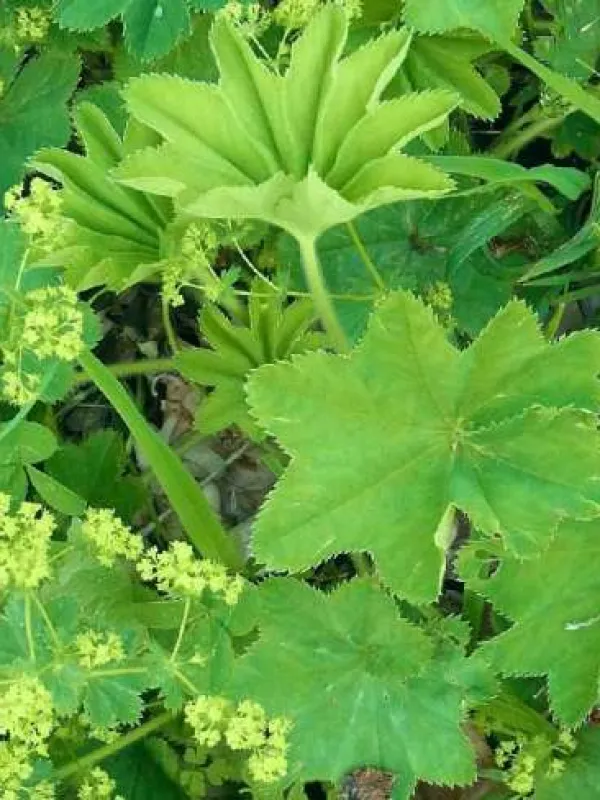
Description
Growing requirements
Carniolan lady's mantle (Alchemilla carniolica) is a perennial herb belonging to the Rosaceae family. It is a rare endemic species originating from the high-altitude regions of the Eastern Alps, specifically Slovenia and surrounding territories.
This plant is primarily utilized in ornamental horticulture and alpine gardening due to its compact habit and distinctive, deeply lobed leaves. It requires a substrate that mimics its natural habitat, emphasizing excellent drainage and mineral composition.
The climate requirements include moderate temperatures and relatively high air humidity. While the plant can tolerate significant solar exposure in its natural habitat, cultivation in warmer climates necessitates partial shade to prevent heat stress.
Soil structure should ideally be rocky or calcareous with a neutral to slightly alkaline pH. High organic matter content is generally unnecessary and may even be detrimental if it leads to excessive moisture retention.
Regarding cultivation management, minimal intervention is required once the plants are established. Mulching with fine gravel helps protect the crown from excess moisture, which is critical for the survival of this species.
Main diseases and pests
Fungal diseases are the primary threat to Alchemilla carniolica, particularly when planted in environments with poor air circulation. Powdery mildew can manifest as a white film on the foliage, weakening the plant's vigor.
Root rot, often caused by stagnant water or compacted soil, is frequently lethal for alpine species. Ensuring that the substrate remains porous and well-aerated is the most effective preventative measure for this condition.
Pests such as aphids may occasionally congregate on the flower stems or the undersides of leaves during the spring. Monitoring is essential to ensure that populations do not reach levels that compromise the plant’s health.
Gastropods, including slugs and snails, are frequent visitors to lady's mantle plantings. Their feeding activity can be particularly damaging to emerging foliage, potentially ruining the plant's aesthetic value.
Nematodes are another potential threat that can affect the root system, causing stunted growth and chlorosis. Strict hygiene in propagation and the use of certified healthy planting material are recommended strategies to avoid these pathogens.