
Carniolan cinquefoil
Potentilla carniolica
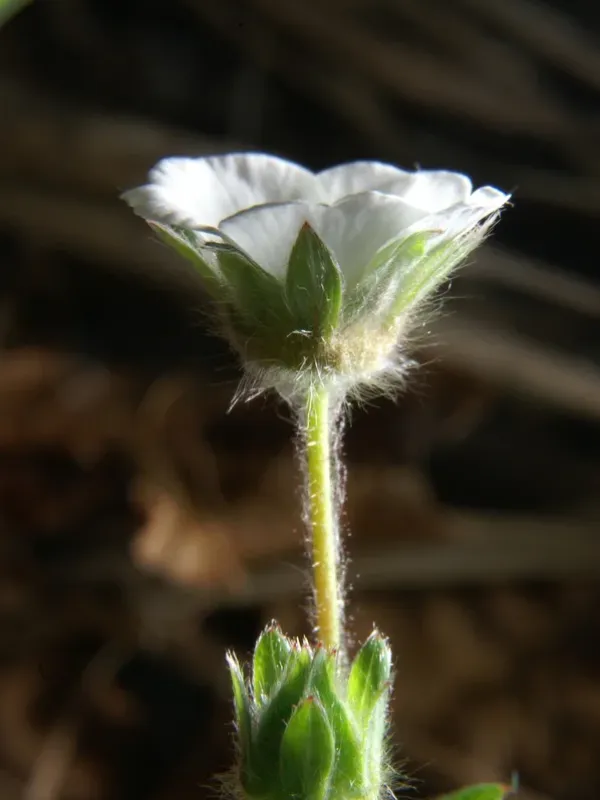
Description
Growing requirements
Carniolan cinquefoil (Potentilla carniolica) is a perennial herbaceous plant belonging to the Rosaceae family. This species originates from the mountainous regions of Central Europe, where it has evolved to thrive in high-altitude, rocky, and well-drained environments.
The plant exhibits high cold hardiness and a preference for sunny, open habitats. It is an excellent candidate for gardeners looking for low-maintenance alpine perennials that can tolerate harsh environmental conditions and variable temperatures.
Soil requirements for this species are specific; it thrives in gritty, sandy, or rocky soils with excellent drainage properties. It is crucial to prevent waterlogging, as the root system is sensitive to persistent moisture, which can cause significant physiological stress.
Maintenance practices involve minimal fertilization and regular inspection for soil aeration. As a mountain native, it does not require rich, heavy soils, but it benefits significantly from a well-drained medium that mimics its natural habitat.
Its primary use is in ornamental landscaping, specifically in rock gardens, scree beds, and alpine troughs. The species is valued for its compact growth habit and its ability to provide structural interest and seasonal color to specialized garden displays.
Main diseases and pests
Powdery mildew is the most common fungal threat, typically triggered by high humidity and poor air circulation. Effective prevention involves ensuring sufficient space between plants to allow for proper airflow around the foliage.
Insect pests, such as aphids, can occasionally infest new growth and flower buds. Gardeners are advised to monitor the plants during the growing season and use environmentally friendly soaps or horticultural oils if an infestation occurs.
Root rot remains the most significant risk when cultivating the plant in improper soil conditions. To mitigate this risk, it is essential to ensure that the substrate is composed of well-draining materials like gravel or coarse sand.
Weed competition can hinder the growth of young plants, so manual weeding is recommended during the early establishment phase. Keeping the area free of weeds reduces the likelihood of spreading soil-borne diseases.
Good cultural practices, such as removing dead foliage at the end of the season, help in maintaining overall plant vigor and reducing the risk of pests and diseases overwintering in the garden debris.