
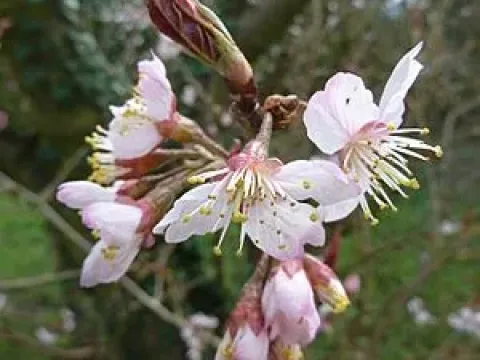
Cambridge cherry
Prunus cantabrigiensis
The Cambridge cherry (Prunus cantabrigiensis) belongs to the Rosaceae family. It is a highly regarded ornamental tree species, widely celebrated for its spectacular early spring blossoms.
What the section contains
Cambridge cherry
This tree performs best when planted in full sun locations protected from harsh winds. While relatively hardy, young trees require winter protection to prevent damage to their root systems in colder zones.
Optimal growth conditions involve well-drained, fertile soil with a neutral pH. Proper soil structure is essential, as the species is intolerant to waterlogged conditions which can lead to root rot.
Maintenance includes consistent watering during dry spells and the application of balanced fertilizers in early spring to support vigorous growth and health.
Pruning is a critical part of the plant care cycle. It should be performed during dormancy to remove diseased branches and improve the tree's structure and air circulation within the canopy.
The primary health concerns for this species are fungal infections, such as blossom wilt and shot-hole disease, which are often exacerbated by humid and cool weather conditions.
Common pests include aphids and various species of caterpillars that can defoliate the tree. Regular monitoring is necessary to apply treatments at the earliest sign of infestation.
Sanitation is a vital aspect of disease control. Removing fallen leaves and infected fruit remnants helps to reduce the inoculum load for the following growing season.
Integrative pest management strategies, such as using horticultural oils or systemic insecticides, can be highly effective in maintaining the aesthetic value of the tree.
Maintaining a healthy, stress-free environment through proper irrigation and feeding significantly reduces the tree's susceptibility to common pathogens and pests.