
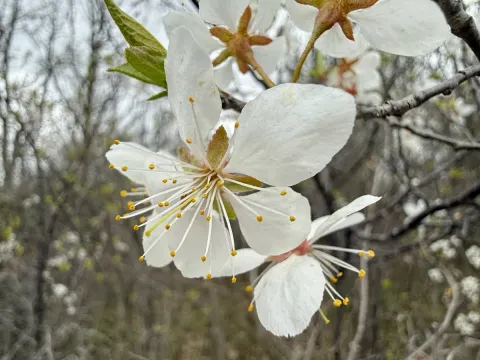
Canada plum
Prunus nigra
Canada plum (Prunus nigra), a member of the Rosaceae family, is a hardy, deciduous species native to North America. Known for its exceptional cold tolerance, it thrives in environments where other Prunus species often struggle, making it an excellent choice for northern agriculture.
What the section contains
Canada plum
The tree prefers well-drained, fertile soil, ideally ranging from sandy loams to heavier loams. It shows a preference for neutral to slightly acidic soil conditions. Proper drainage is essential, as the roots are sensitive to waterlogged environments that may persist during early spring thaw.
Full sun exposure is required for optimal health and fruit production. When planted in shaded locations, the tree tends to become spindly, and its resistance to fungal diseases decreases. Strategic placement in an orchard or home garden should consider wind protection to minimize branch damage.
Basic agronomic practices include consistent irrigation during the establishment phase and annual pruning to maintain an open canopy. An open canopy improves light penetration and airflow, which is critical for preventing moisture accumulation on leaves and stems during humid periods.
This species is highly valued in horticulture not only for its fruit but also as a vigorous and hardy rootstock. Its ability to adapt to extreme temperature fluctuations makes it a preferred choice for grafting commercial plum varieties to enhance their survival rates in colder climates.
Monilinia brown rot is a prevalent threat that targets flowers, twigs, and developing fruit, leading to significant yield losses. Sanitation, which involves removing mummified fruits and pruning out infected branches, is the primary cultural control method used by professionals.
Plum curculio is a major insect pest that affects fruit development, causing premature fruit drop and damaging the pulp. Integrated pest management, including the use of trap trees and targeted chemical applications during critical growth stages, is vital for maintaining fruit quality.
Black knot is a distinctive fungal disease that causes characteristic swollen, black galls on branches. This disease can eventually kill the tree if left unmanaged, so regular monitoring and the pruning of infected wood at least six inches below the visible knot are necessary.
Aphids can cause significant stress to young trees by damaging new growth and transmitting viral diseases. Applying dormant oils in late winter or early spring is an effective preventive measure to suppress aphid populations before they reach economic threshold levels.
To ensure long-term productivity, growers must maintain a rigorous schedule of monitoring and preventative care. Keeping the area under the canopy free of weeds reduces habitats for pests and eliminates alternative hosts for various pathogens, keeping the orchard healthy.