
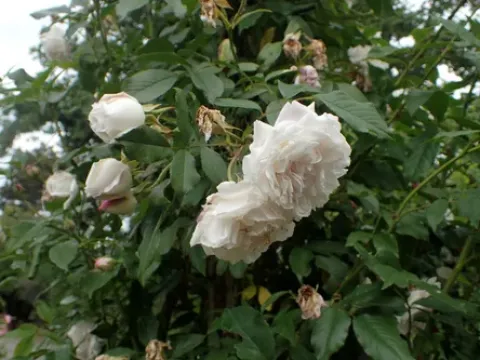
Indian rose
Rosa indica
The Indian rose (Rosa indica) is a perennial shrub belonging to the Rosaceae family. It is historically significant as it is one of the primary ancestors of modern tea roses, highly valued for its ability to bloom repeatedly.
What the section contains
Indian rose
This species is native to tropical and subtropical regions of Asia. Consequently, it requires a warm, frost-free climate with consistent temperatures to thrive and maintain its health throughout the year.
In cultivation, the plant requires well-drained, fertile soil rich in organic matter. Proper soil aeration is crucial to prevent root rot, which is a common issue when the plant is grown in dense, heavy soils with poor drainage.
Cultivation practices involve regular irrigation and the application of balanced fertilizers during the growing season. Pruning is essential to maintain plant vigor, improve air circulation, and stimulate the production of new flower buds.
The economic value of this crop lies in its use for ornamental gardening and as a foundation in the rose breeding industry, enabling the development of varieties suitable for diverse climatic zones across the globe.
Rosa indica is susceptible to common rose diseases, including powdery mildew and black spot, which often occur when humidity levels are excessively high or airflow is restricted.
Pests such as spider mites and aphids are major threats that feed on the foliage and young growth, causing significant physiological stress and reduced aesthetic value.
Integrated Pest Management (IPM) strategies are recommended, focusing on early detection through regular monitoring and the use of appropriate chemical or biological control agents.
Maintaining cleanliness in the growing area, including the removal of dead leaves and infected tissues, is a vital practice for preventing the survival and spread of fungal spores.
Applying the correct nutritional balance through fertilization helps strengthen the plant's cell walls, making it naturally more resilient against attacks from various agricultural pests and pathogens.