
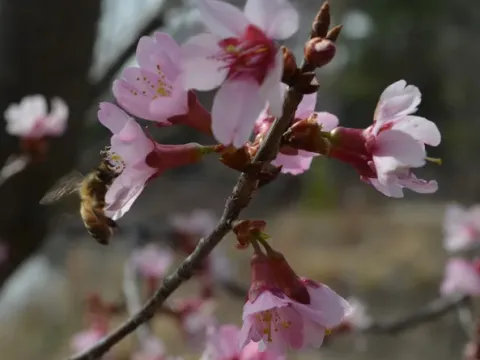
Incam cherry
Prunus incam
Incam cherry (Prunus × incam) is a renowned ornamental hybrid resulting from the cross between Prunus incisa and Prunus campanulata. Belonging to the Rosaceae family, it is highly valued by horticulturists for its spectacular, early spring blossom displays and elegant form.
What the section contains
Incam cherry
The cultivation of this species requires a location with full sunlight to ensure vigorous growth and maximum flower production. Protection from strong, drying winds is essential to prevent damage to the delicate branches and to maintain the overall health of the tree structure.
The plant thrives in fertile, well-drained loamy soils. It is intolerant of waterlogged conditions, which can lead to root rot; therefore, ensuring proper drainage is a critical aspect of planting site preparation for this cherry hybrid.
Regarding climate, the Incam cherry demonstrates moderate winter hardiness. In colder regions, providing winter protection for young trees and applying a layer of organic mulch around the root zone helps regulate soil temperature and moisture levels throughout the dormant season.
Standard care practices involve moderate, consistent watering during the growing season and seasonal fertilization to support healthy foliage development. Pruning is typically performed after the blooming period, focusing on removing crossing or damaged wood to maintain an attractive habit.
The primary threats include fungal diseases such as blossom wilt and shot-hole disease, which can be exacerbated by excessive humidity. Proper airflow through the canopy and preventative fungicide treatments in early spring are effective strategies for disease management.
Common pests affecting this cultivar include aphids and caterpillars, which feed on succulent new leaves. Gardeners should monitor the trees closely during the peak growing months and apply integrated pest management techniques to keep infestation levels under control.