
Smallflower agrimony
Agrimonia parviflora
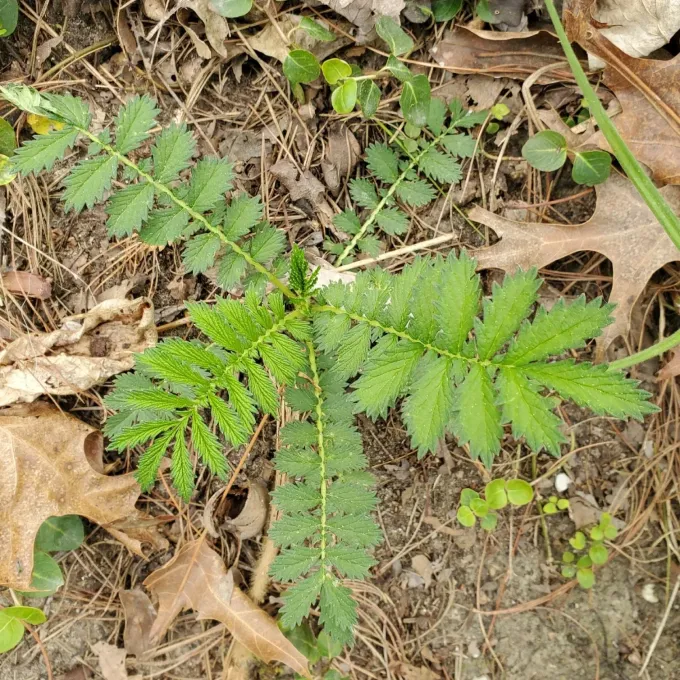
Description
Sowing dates
The cultivation of Agrimonia parviflora typically begins with seeds, which require a cold stratification period to break dormancy and ensure uniform germination in the field.
In temperate zones, sowing should be performed in the late autumn to allow the winter temperatures to naturally stratify the seeds within the soil structure.
If spring sowing is preferred, seeds must be kept in a moist medium at low refrigeration temperatures for at least six weeks before being planted into prepared beds.
The seeds should be covered with only a thin layer of soil, approximately 1 to 2 centimeters deep, as they require a certain amount of light for optimal sprouting.
Spacing is essential for the development of individual plants; therefore, seedlings should be thinned to a distance of 30–40 centimeters to ensure adequate airflow.
Growing requirements
Smallflower agrimony is a member of the Rosaceae family that naturally thrives in moist environments such as meadows, floodplains, and the edges of forest ecosystems.
The crop requires fertile, loamy soils that can maintain a consistent level of moisture, as the plant does not tolerate prolonged drought during the growing season.
While the plant prefers full sun exposure to maximize the production of secondary metabolites, it is highly adaptive and can perform well in partial shade conditions.
Soil pH should ideally be neutral or slightly acidic; managing soil fertility through organic compost additions can significantly improve the growth of the green biomass.
The species is known for its robust perennial habit and cold hardiness, allowing it to overwinter successfully in various climates without special protection measures.
Main diseases and pests
The primary threats to Agrimonia parviflora include fungal infections like powdery mildew, which can develop rapidly in humid, poorly ventilated planting areas.
Managing plant density is a key preventive measure; avoiding overcrowding helps reduce the humidity levels around the foliage, thus minimizing the risk of fungal outbreaks.
Aphids are the most common insect pests encountered, often targeting the succulent new growth and causing curling of leaves and stunted development of flower stalks.
Integrated pest management strategies, including the use of neem oil or soft soap sprays, are recommended for controlling infestations without harming the medicinal quality of the harvest.
Root rot can occur in soils with poor drainage, making the selection of a site with proper water percolation essential for long-term health and survival of the crop.
Harvesting
The harvest of smallflower agrimony is concentrated during the period of full bloom, as the concentration of active plant compounds is highest at this stage of the life cycle.
Plants should be cut above the basal rosette of leaves to allow for the possibility of a secondary harvest or to ensure the longevity of the perennial root stock.
Drying must take place in an area protected from direct sunlight to prevent the degradation of essential oils and chlorophyll, which helps maintain the desired aesthetic quality.
Proper air circulation during the drying process is critical to prevent mold development and ensure the product remains dry and shelf-stable for long-term storage.
Once dried to the appropriate moisture content, the stalks are packed in airtight containers or breathable bags, depending on the intended use and duration of storage.